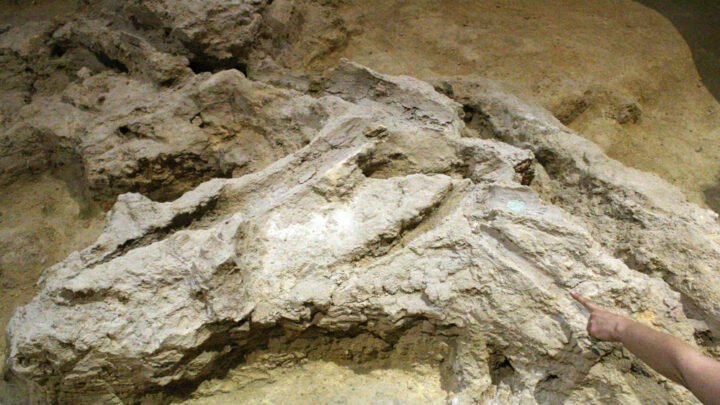
Rock moulds at Spain's Abric Romaní preserve 13 wooden objects Neanderthals made or used, including a 2.45 m spear and a possible club. Here's what's uncertain.
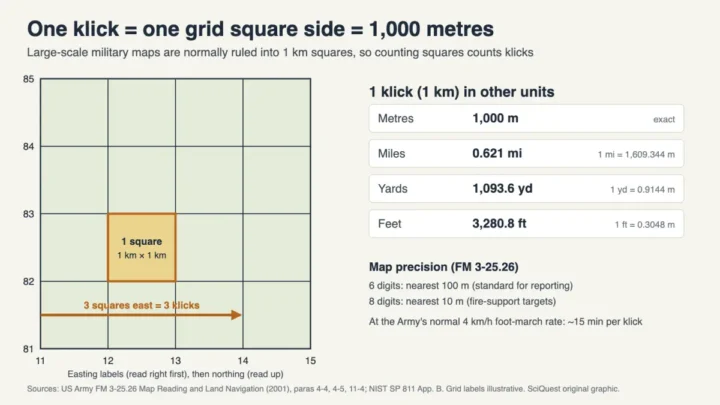
A click (klick) is military slang for one kilometre: 1,000 m, about 0.62 miles. See conversions, why 1 km Army map grids made it useful, and its origin.
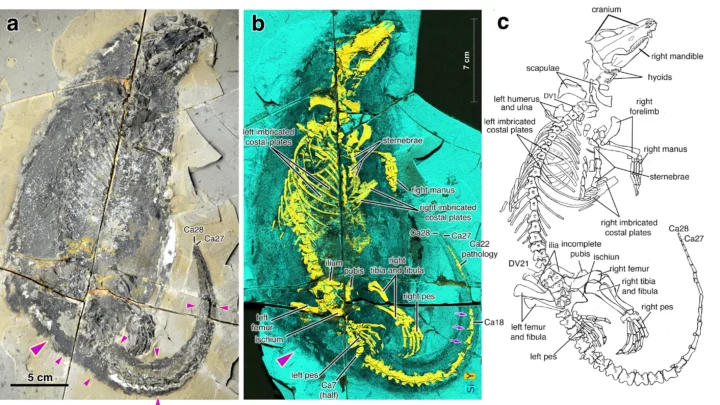
A 165-million-year-old swimming relative of mammals kept throat bones like ours. What the Nature fossil shows, how, and why it rests on a single skeleton.
Murad Ali Khan11 min read
news · Biology Evidence status: Peer reviewed · Genomics study (embryos and tissues)
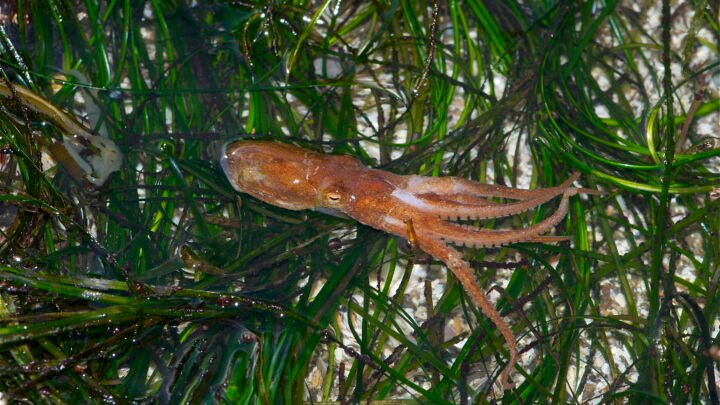
A Nature Communications study maps how DNA folds in squid, cuttlefish and octopus: stable domains, shifting loops, and one switch deletion that shrank brains.
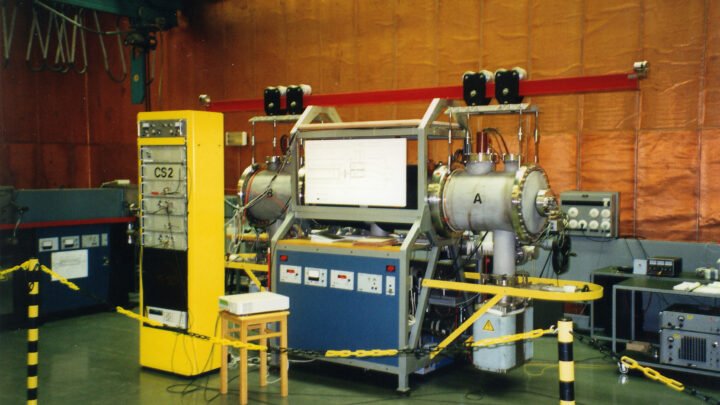
An atomic clock steers an oscillator to caesium-133 atoms and counts 9,192,631,770 cycles per second. How it works, how accurate it is and why GPS needs one.
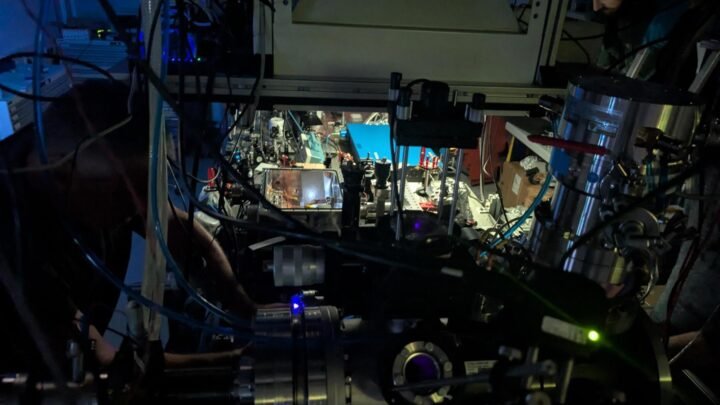
A thorium-229 nuclear clock in Vienna locked its laser to nuclei for a day. What it achieved, how it compares with atomic clocks, and what it can't do yet.
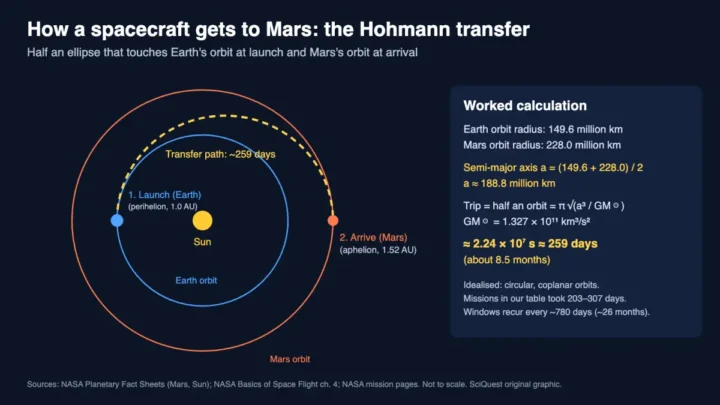
How long does it take to get to Mars? About 7 to 10 months. See NASA mission travel times, the Hohmann transfer math, launch windows and crewed trip estimates.
Murad Ali Khan9 min read
news · Biology Evidence status: Peer reviewed; observational study of pet dogs
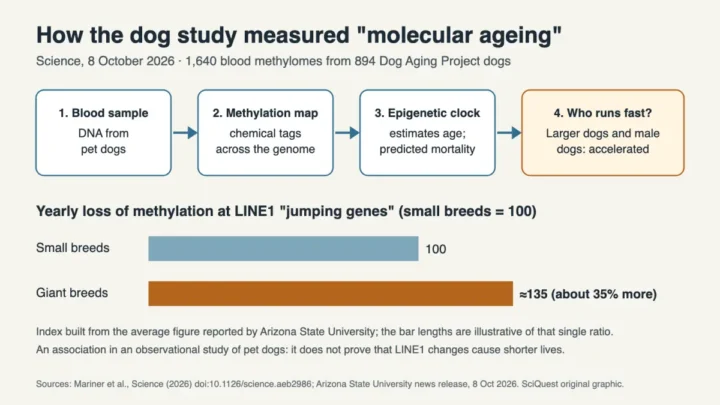
A Science study of 894 pet dogs links faster DNA-methylation ageing to large size and male sex. What it found, how, and why it doesn't yet prove a cause.
Murad Ali Khan9 min read
news · Biology Evidence status: Mouse study · Peer reviewed