Ecopsychology is a field of study that seeks to understand the relationship between humans and the natural world. It combines the principles of psychology with an understanding of the environment…
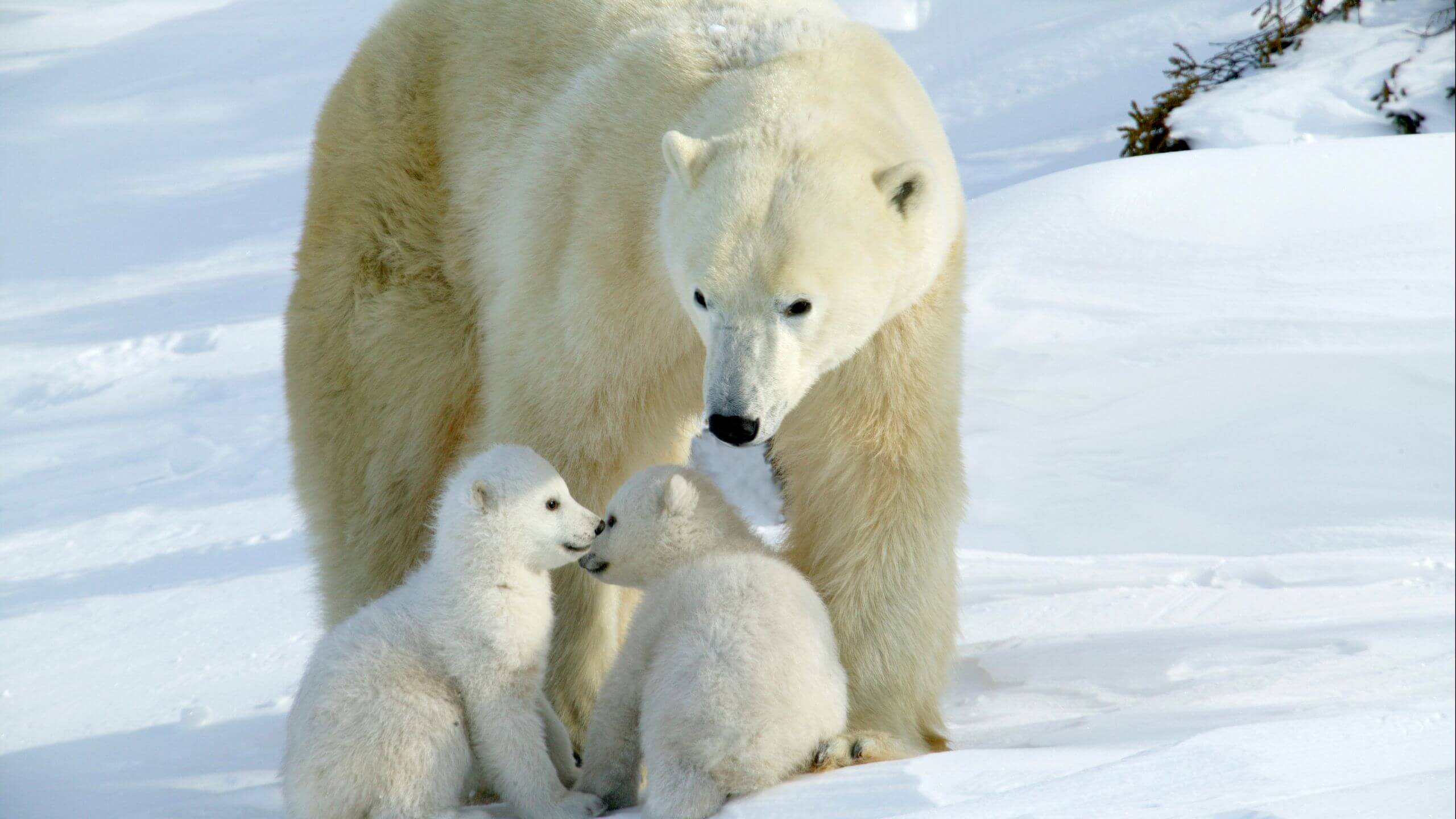
The estimated number of polar bears left in the world is between 22,000 and 31,000. Polar Bears are the most iconic species of the arctic ecosystem. But they are also…
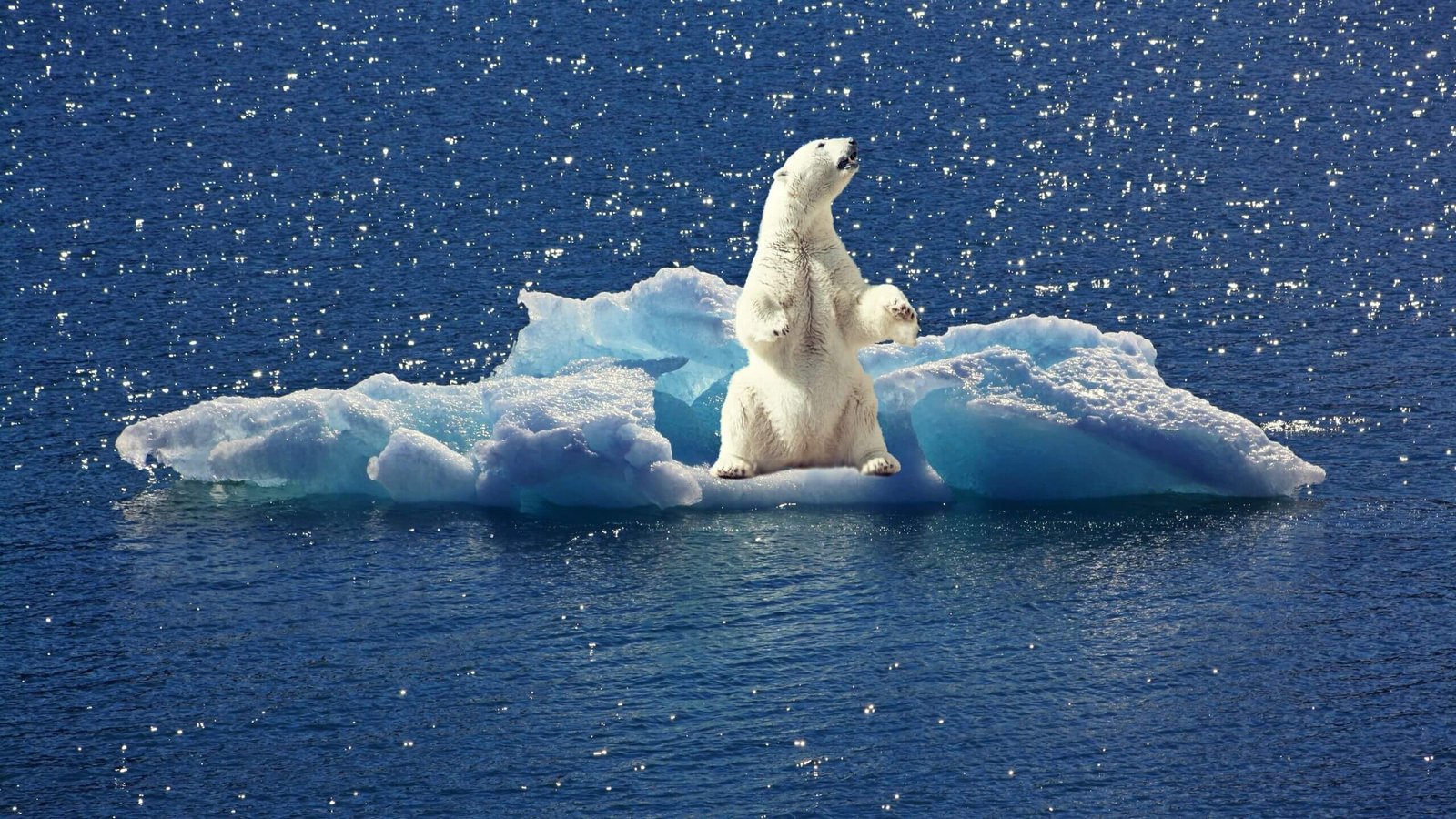
Polar bears are the iconic species of the arctic ecosystem. They are one of the most significantly affected species due to climate change. They depend on sea ice to breed,…
Mosquitoes are one of the most ubiquitous and annoying insects on the planet. Despite their irritating presence, there is a purpose for mosquitoes that goes beyond simply being an annoyance.…
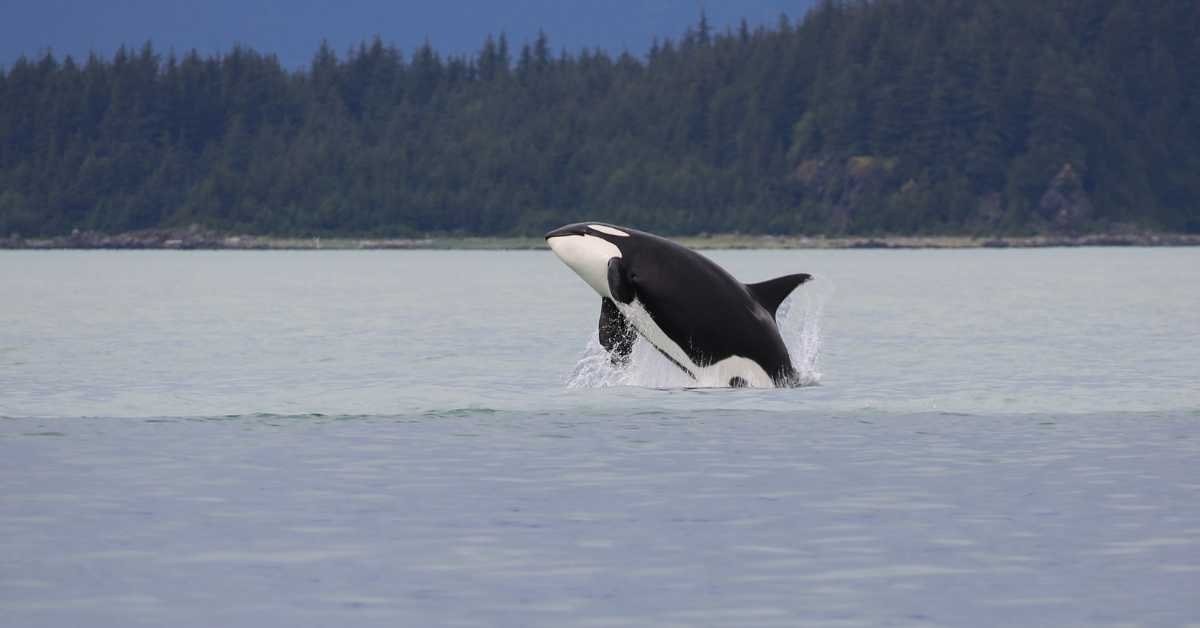
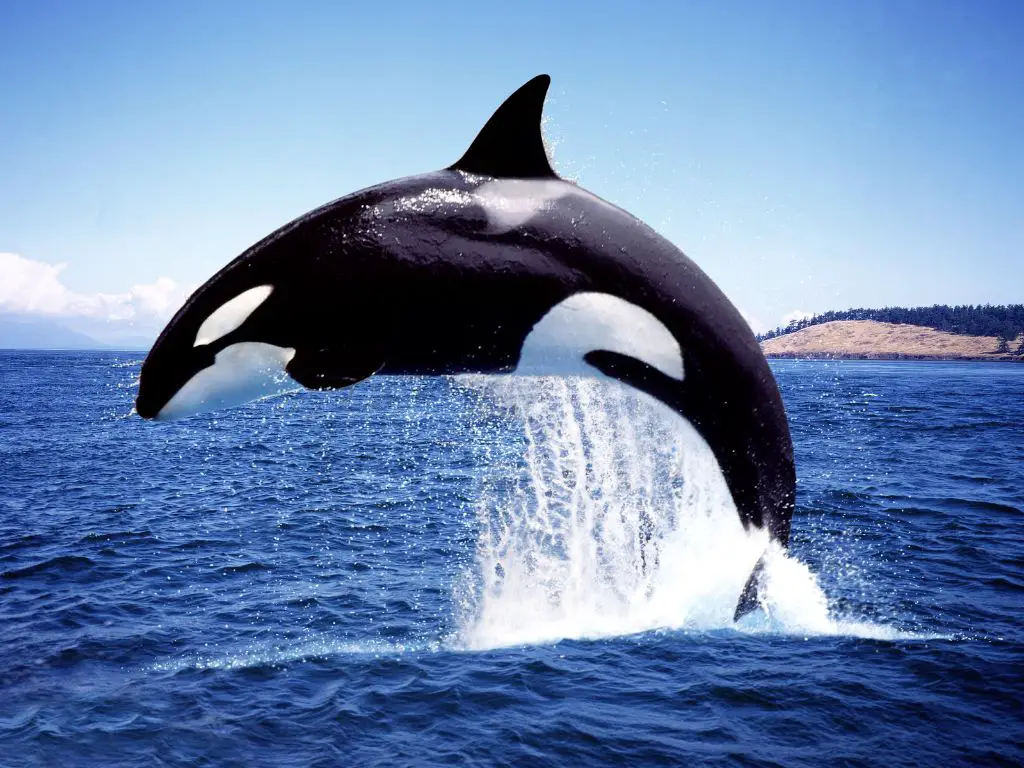
Killer whale or Orca is an iconic species of cetaceans that belongs to the family of oceanic dolphins. It is the top predator of the ocean and is known to…
Orcas serve an integral purpose when it comes protecting our oceans’ fragile ecosystems—not only do they directly regulate prey numbers but they indirectly contribute towards nutrient cycling processes while simultaneously…
The question of whether or not mankind will destroy itself is a difficult one to answer. On the one hand, it can be argued that human beings have always had…
Coral reefs are one of the most important ecosystems on Earth. They provide a home for 25% of all marine life and support the livelihoods of 500 million people. But…
A carbon footprint is the total amount of greenhouse gases emitted by an individual, event, organization, or product over a given period of time. Greenhouse gases include carbon dioxide (CO2),…