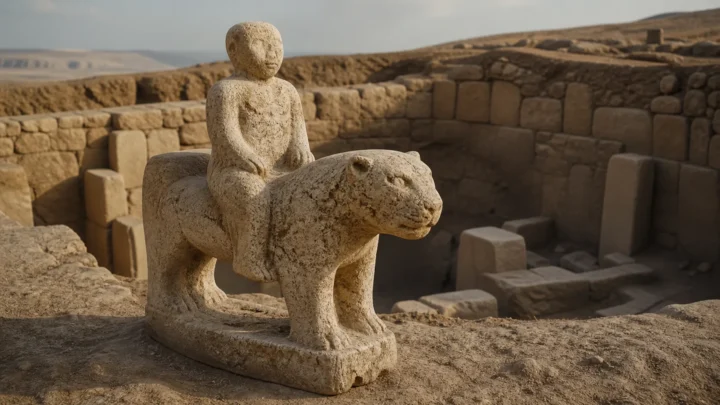
The 70-centimetre sculpture was found on a bench inside a Neolithic structure at Karahantepe. Its striking human-and-leopard scene remains unexplained.
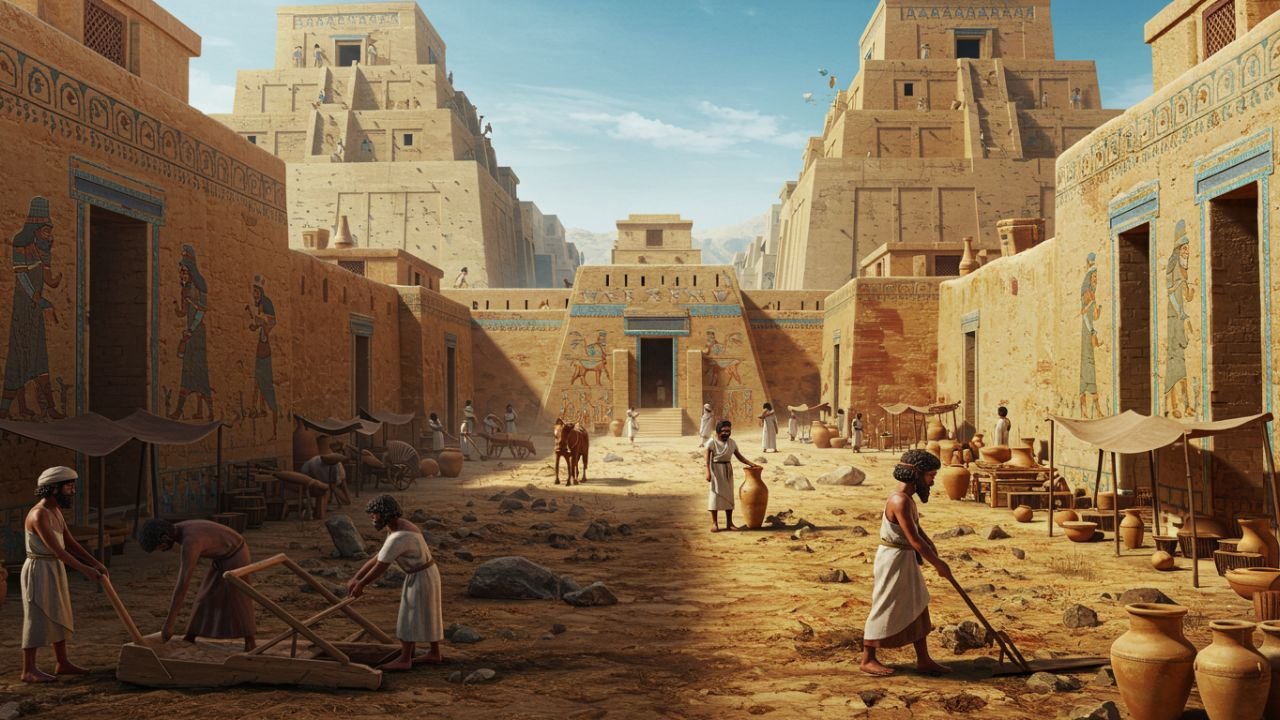
Mesopotamia is known as the most ancient civilization in the world. However, to understand its historical significance, we need to understand what defines a civilization. Civilization is a complex society,…
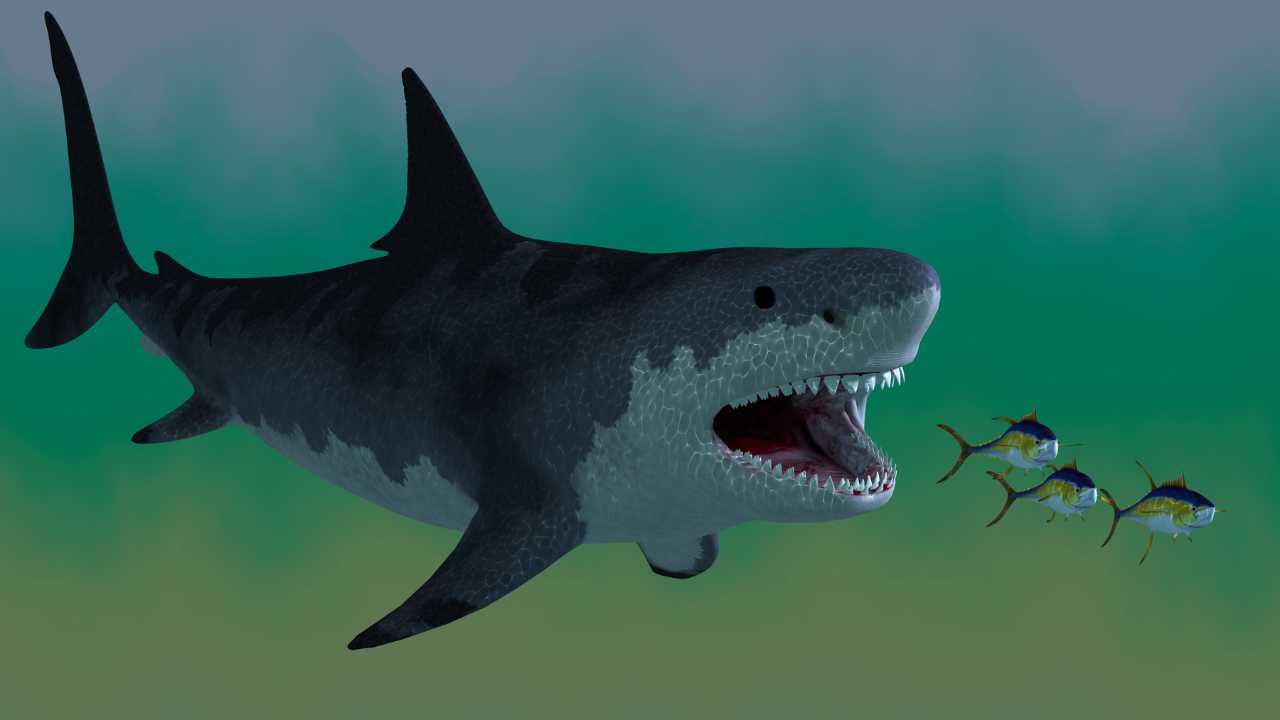
The Megalodon, scientifically known as Otodus megalodon, is an extinct species of giant mackerel shark that roamed the oceans approximately 23 to 3.6 million years ago. Known for its incredible…
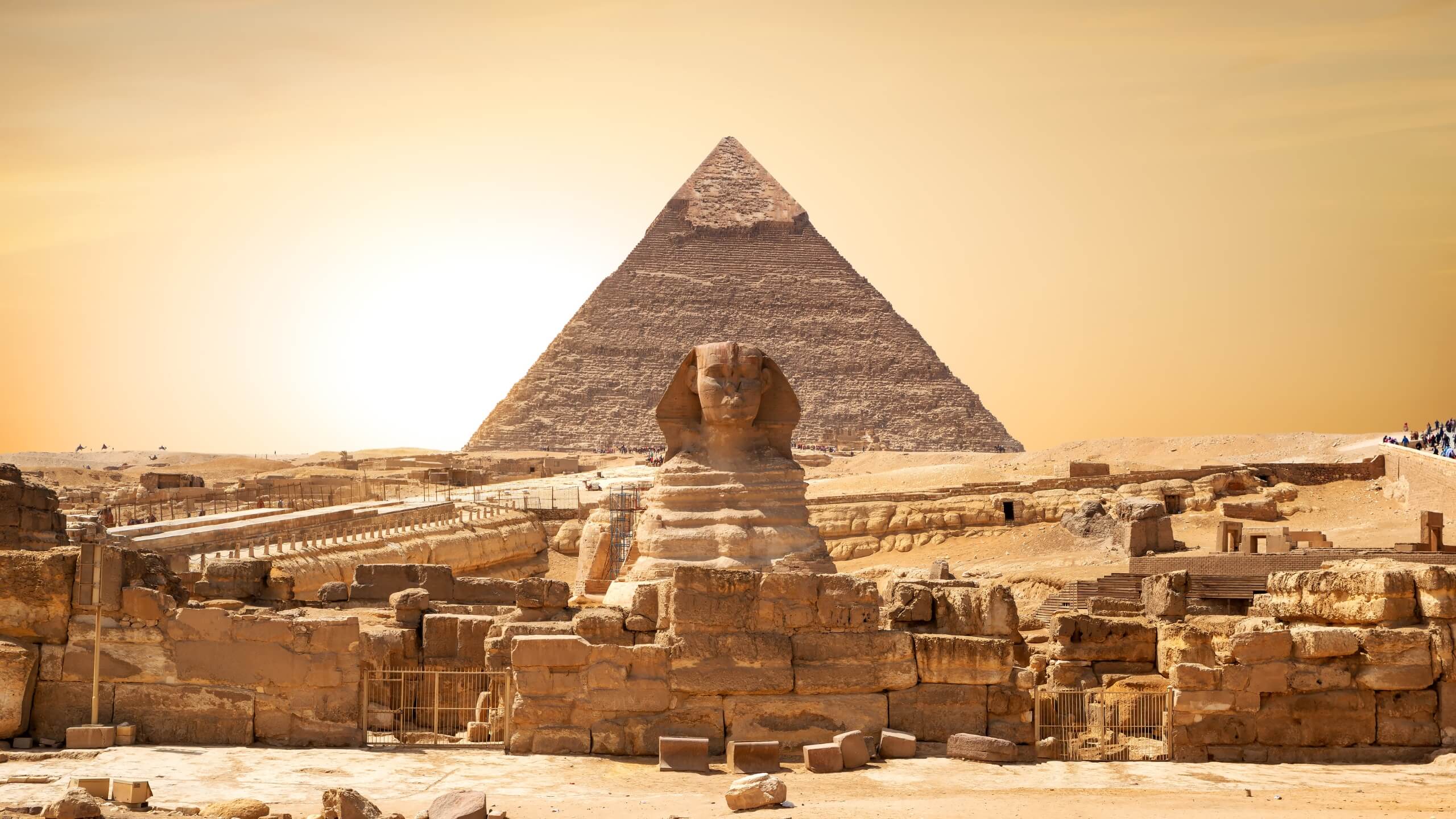
The Great Pyramids of Giza were built to help Egyptian Pharaohs in their afterlife as it was believed in Egyptian culture that Pharaohs will become gods. For this particular purpose,…