
Explainer Space
What Is the Largest Star Known in 2025?
The brightest stars in the universe come in various sizes and types, ranging from stars similar to our Sun to enormous celestial giants. These cosmic objects represent the vast diversity…
Browse the archive
Explainer Space
The brightest stars in the universe come in various sizes and types, ranging from stars similar to our Sun to enormous celestial giants. These cosmic objects represent the vast diversity…
Explainer Space
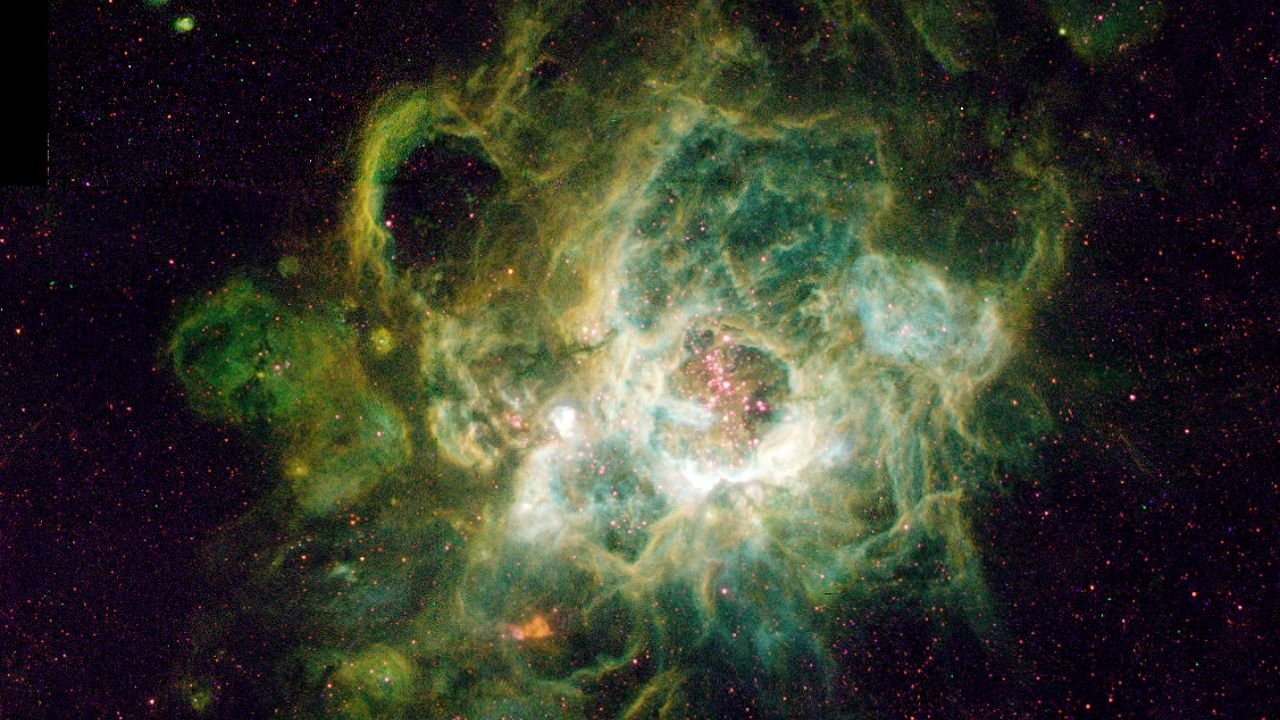
Nebulae are among the most fascinating celestial bodies contributing to stellar evolution. The word ‘nebula’ comes from Latin meaning “ vapor, mist, fog, exhalation or smoke.” Precisely, a nebula is…
Explainer Space
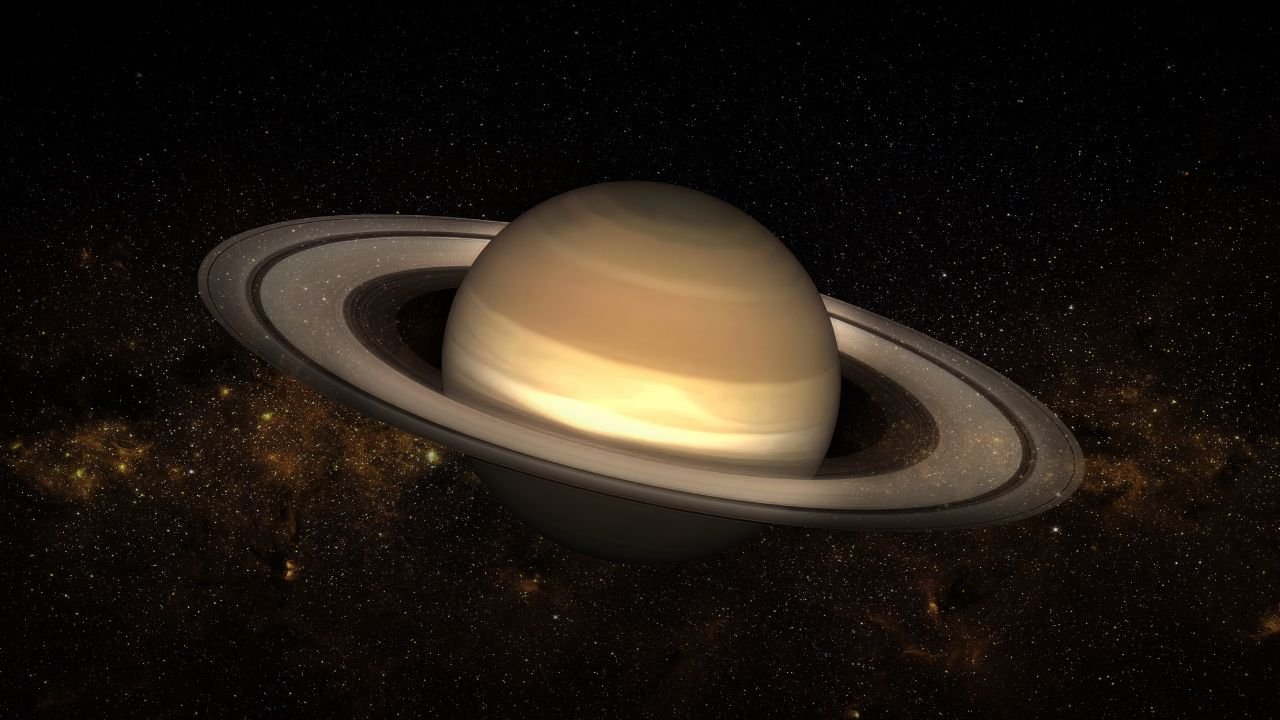
Gravity on Saturn is close to Earth’s: about 9.0 m/s² at the equator (0.92 times Earth’s) and 12.1 m/s² at the poles (1.24 times), with a mean of 11.2 m/s²,…
Explainer Physics
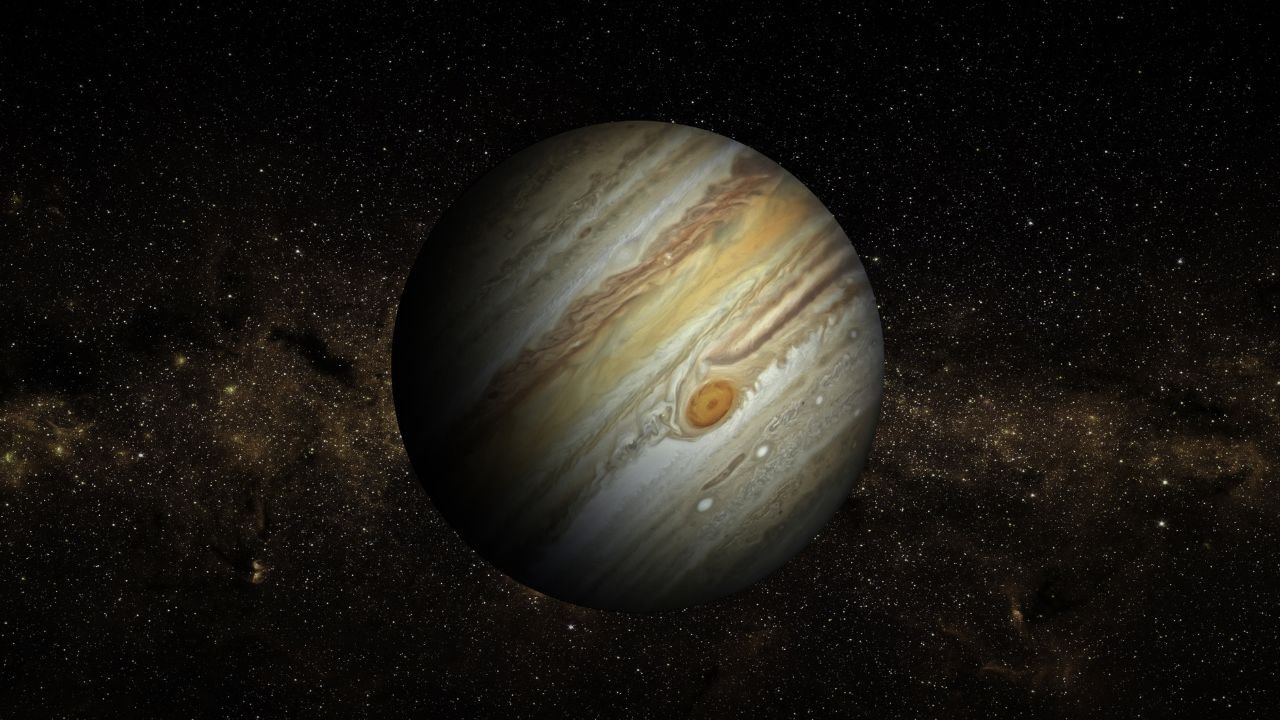
Gravity on Jupiter is about 2.4 to 2.7 times Earth’s: roughly 23.1 m/s² at the equator and 27.0 m/s² at the poles, with a mean of 25.9 m/s², according to…
Explainer Space
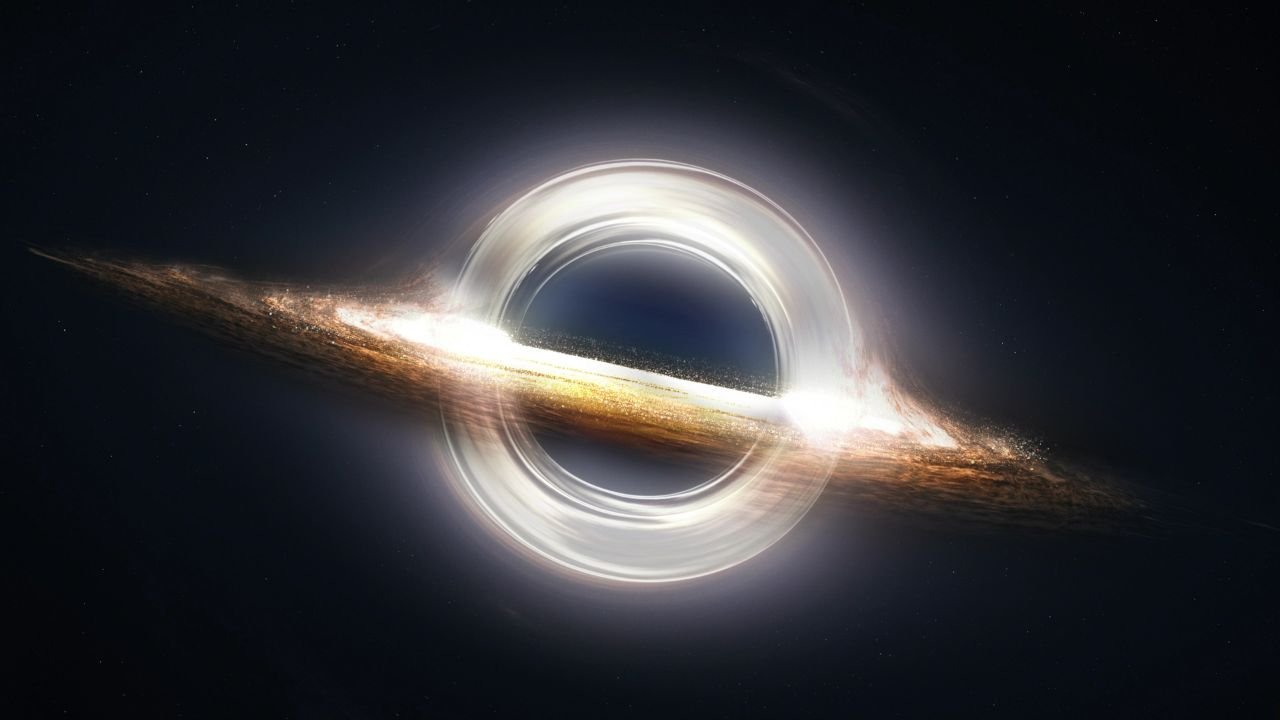
There is no clean, confirmed winner: TON 618 is estimated at roughly 41–66 billion solar masses (about 8–13 × 10⁴⁰ kg), Holmberg 15A’s black hole at 40 ± 8 billion…
Explainer Space
The International Space Station (ISS) measures about 109 metres (356 feet) from end to end, one yard short of an American football field including the end zones, and has a…
Explainer Space
It sounds like something straight out of a sci-fi movie, but this is real life. There’s a massive asteroid out there called Apophis—appropriately nicknamed the ‘God of Chaos’—and scientists are…
Explainer Physics
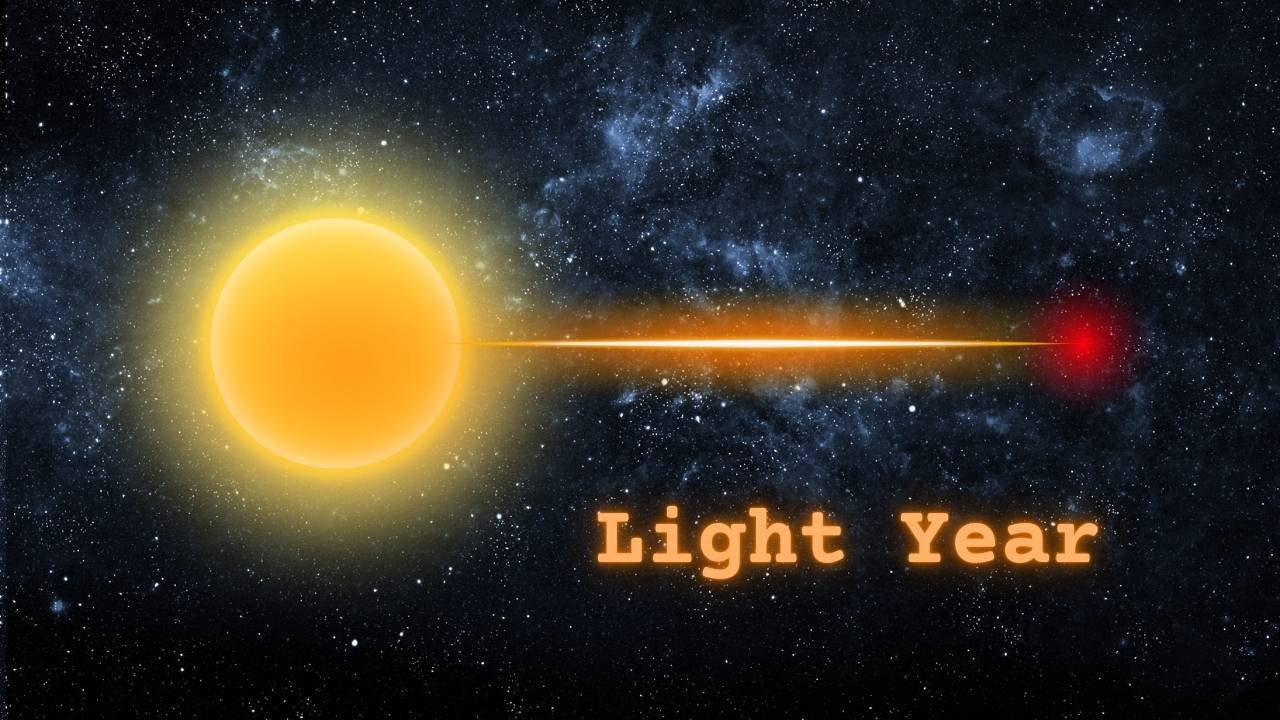
A light year is the distance light travels in one year. Light moves very fast, about 299,792 kilometers per second. If we could travel that fast, we would take one…
Explainer Physics
Microscopic black holes, also referred to as quantum mechanical or mini black holes, are hypothetical small holes that have fascinated scientists and the public for decades. They are very tiny…