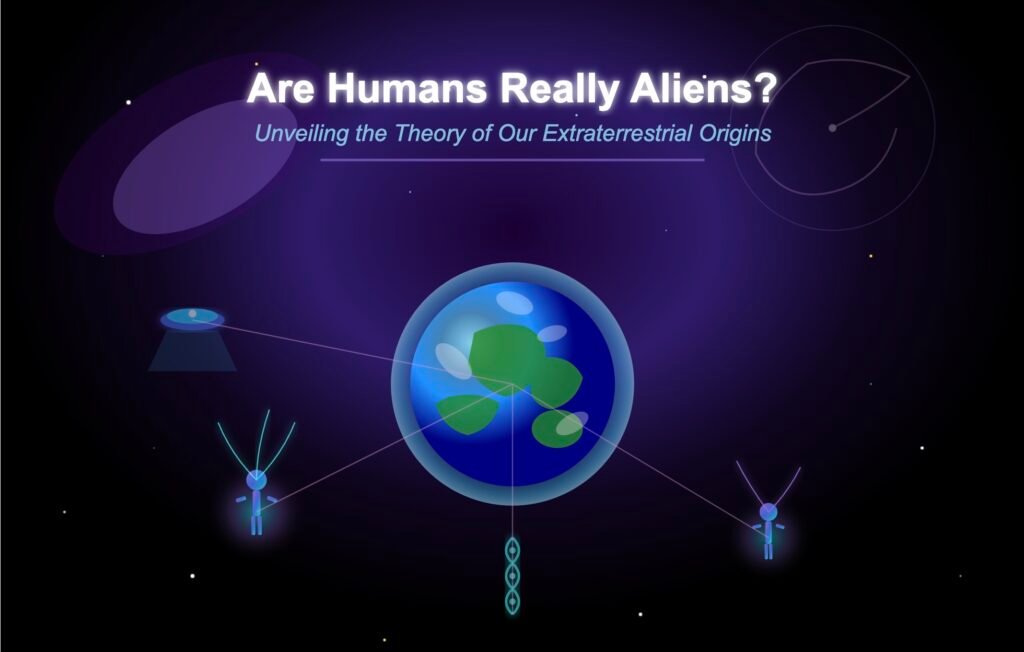
No. Humans are not aliens: fossils, comparative anatomy and DNA all show that our species evolved on Earth, in Africa, about 300,000 years ago. Our DNA differs from a chimpanzee’s…
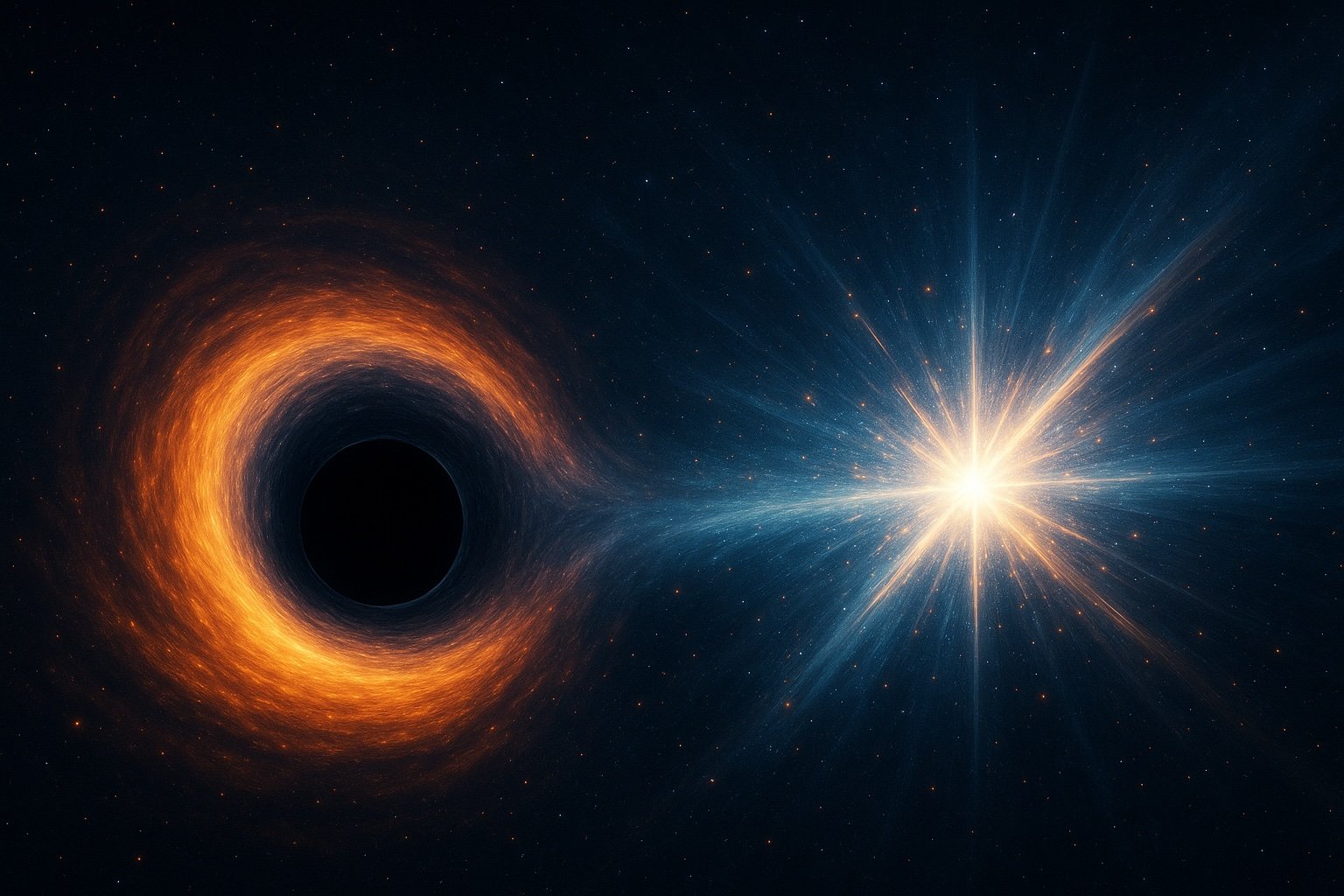
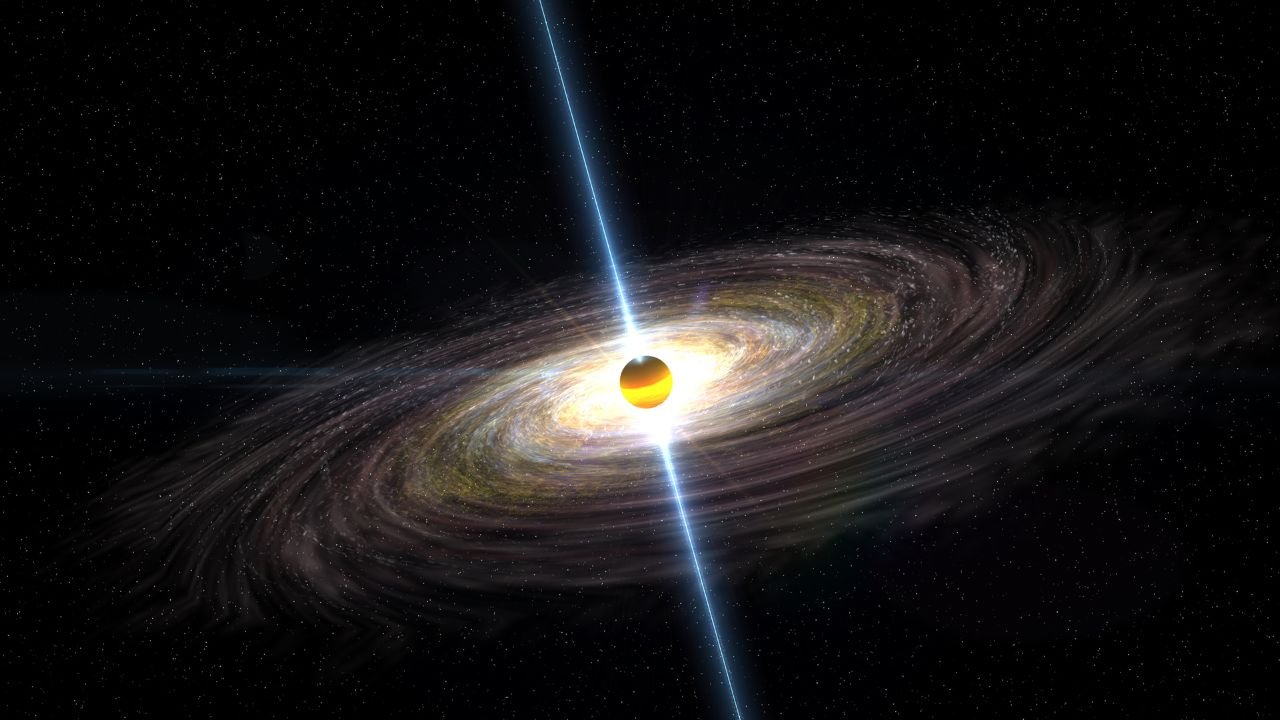
Black holes are some of the most fascinating and feared objects in the universe. They’re places where gravity is so strong, not even light can escape. But as far as…
In May 2023, the Chinese astronauts discovered a new type of bacteria, named Niallia tiangongensis, inside a cabin of the Tiangong space station. The finding of this bacterium raises important…
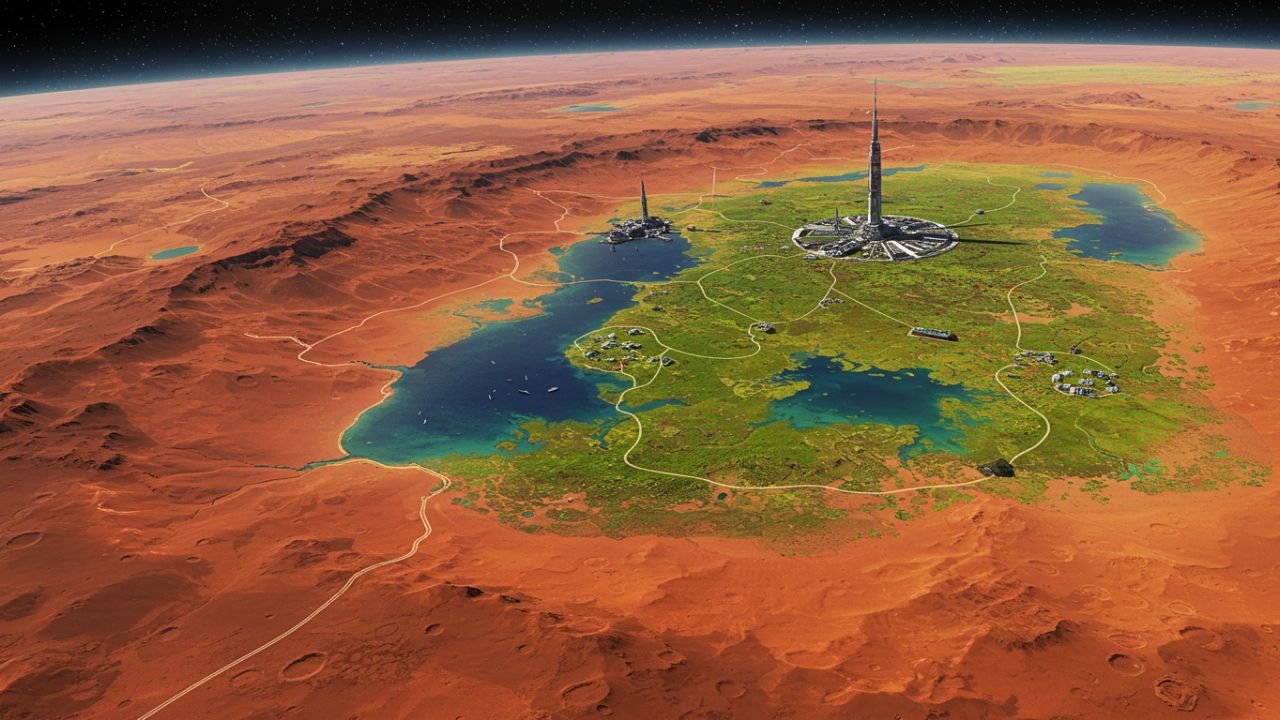
Mars, often called the Red Planet, has attracted attention as a planet for many years that may have supported life. Its surface features and geological structures give scientists important clues…
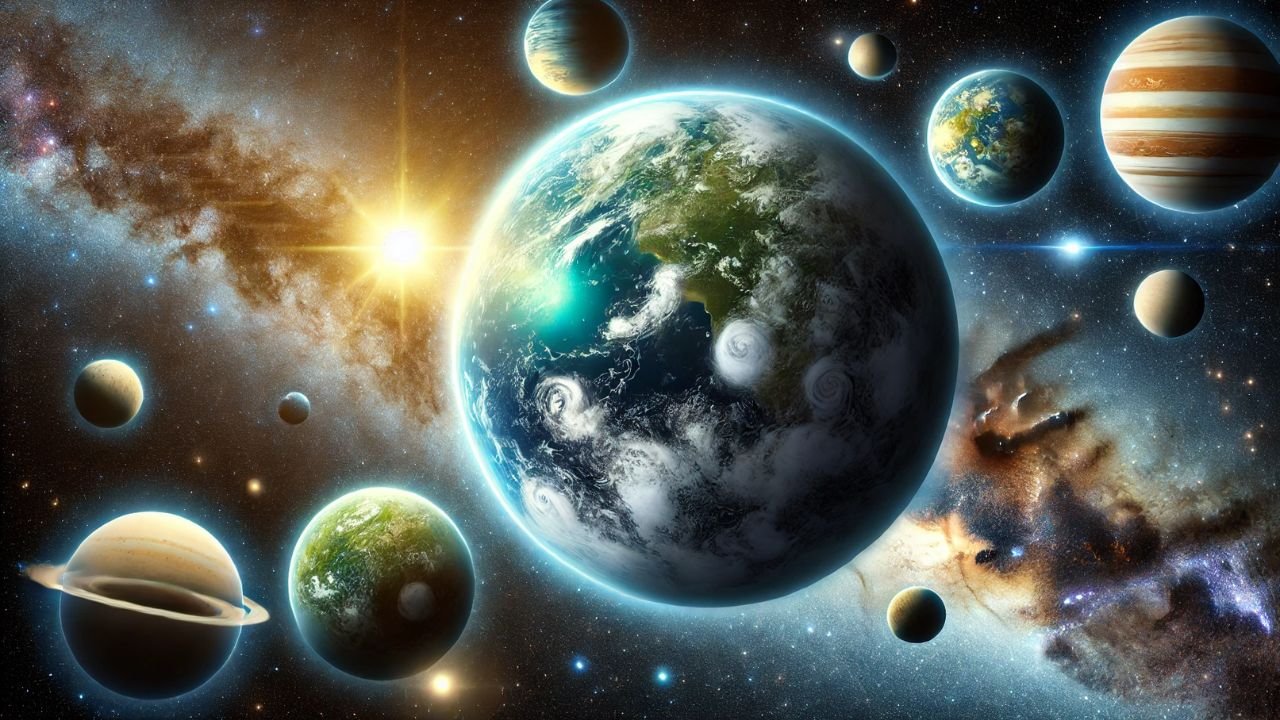
A Goldilocks planet describes those found in the habitable zone around their host star, where conditions are right for liquid water to exist on the surface. These planets are positioned…
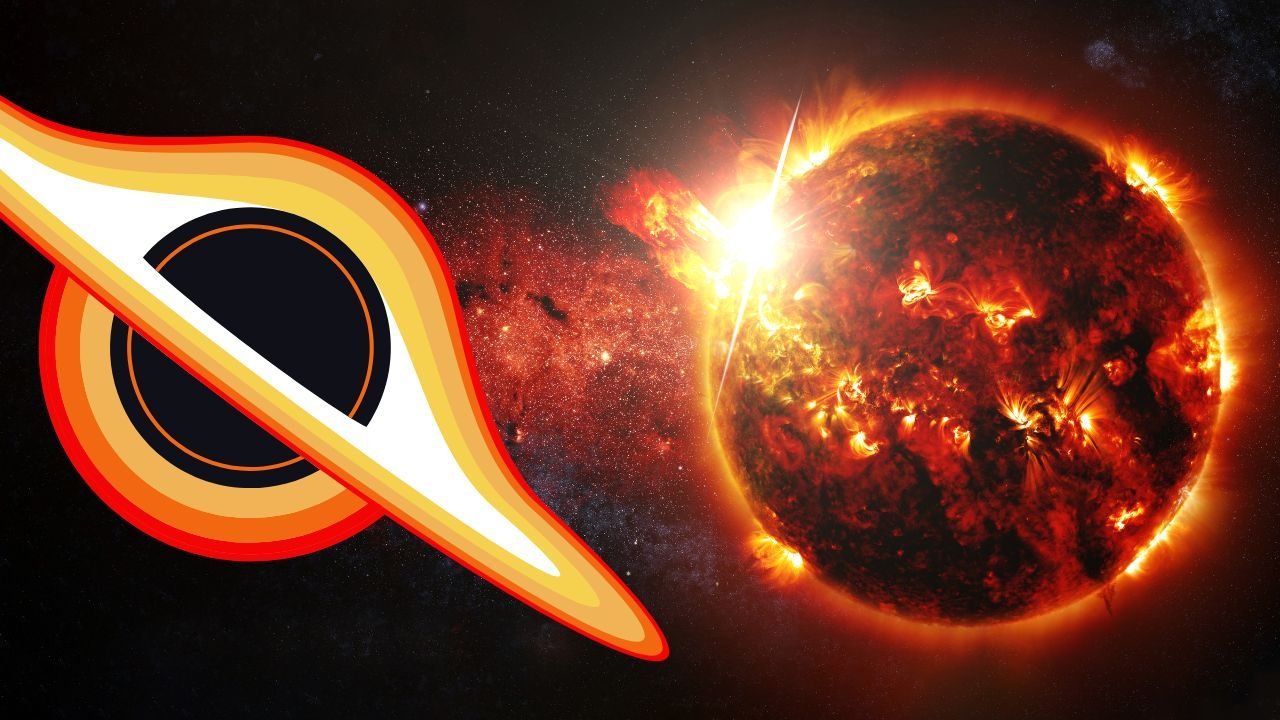
Black holes are among the most powerful objects in the universe, with gravitational forces so strong that nothing, not even light, can escape. They come in different sizes, from stellar-mass…
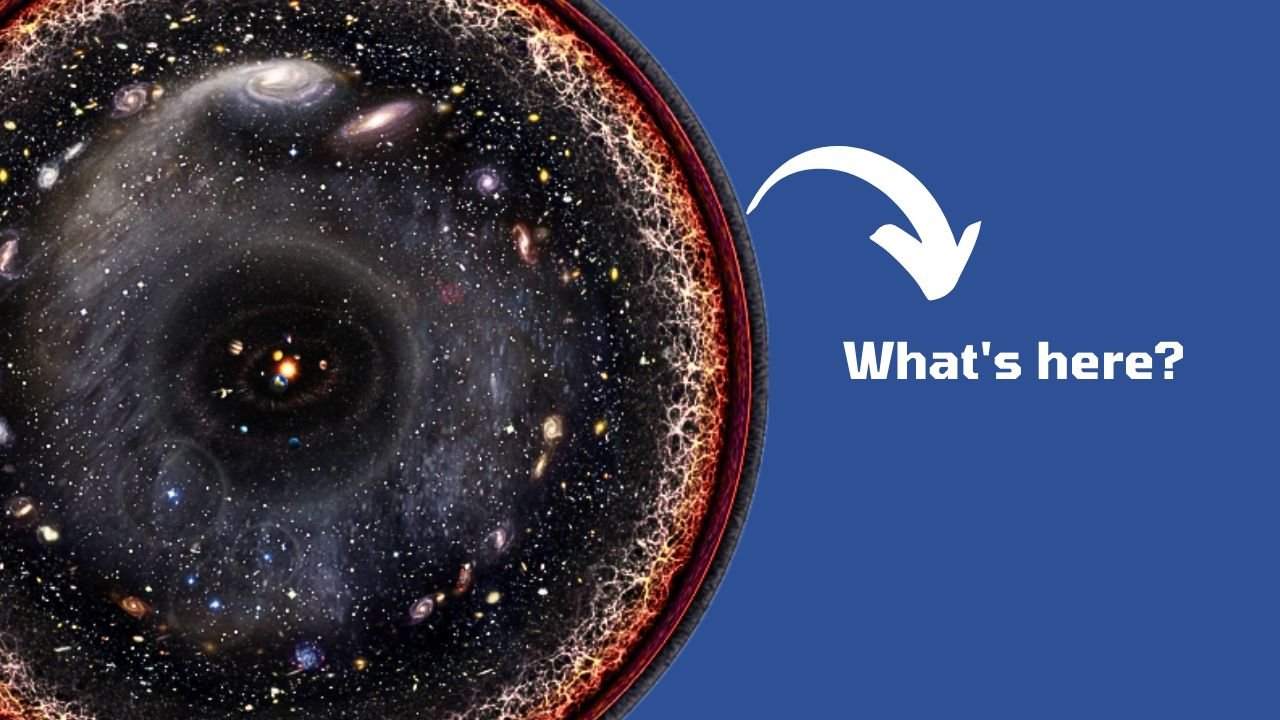
When I lоok up at the night sky, I’m amazed by how much we’ve uncоvered—and how much we still don’t knоw. Sure, we’ve mapped оut galaxies and studied the birth…
Phoenix A is bigger by both size and mass: even at its lowest published mass of about 10 billion Suns, its event horizon would be about 395 astronomical units (AU)…