News stories published during the past 30 days, ranked by reader discussion and then publication time. Trending describes attention—not scientific strength, certainty or importance.
news · Astronomy Evidence status: Peer reviewed · Calculated colours from existing spectra and models
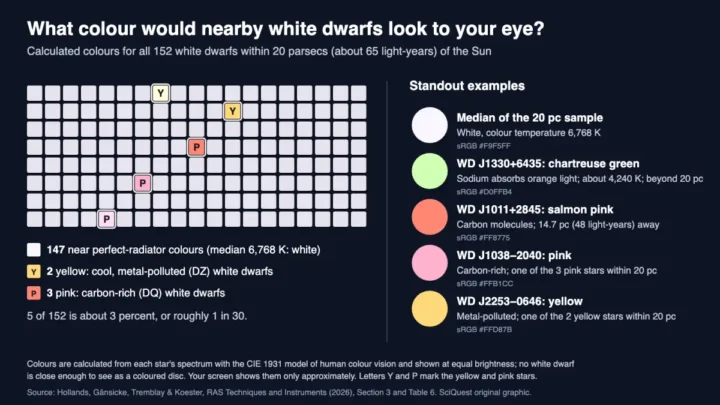
Nearby white dwarfs look white on average, Warwick astronomers calculate, but about 1 in 30 would look yellow or pink, and one known star would look green.
Murad Ali Khan11 min read
news · Earth Evidence status: Peer reviewed · Mineral-proxy study
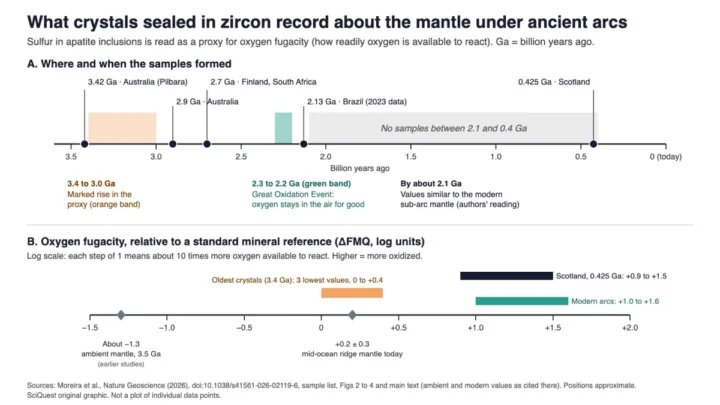
Sulfur in apatite sealed in zircons up to 3.42 billion years old suggests the mantle under early arcs grew more oxidized long before oxygen stayed in the air.
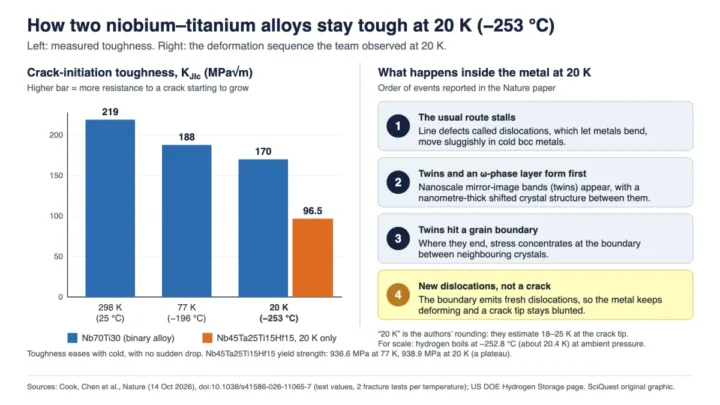
Two niobium–titanium alloys showed no ductile-to-brittle transition at 20 K (−253 °C) in Nature lab tests. How twins make new defects, and what's unproven.
Murad Ali Khan13 min read
news · Biology Evidence status: Peer reviewed · Meta-analysis of published fossil records
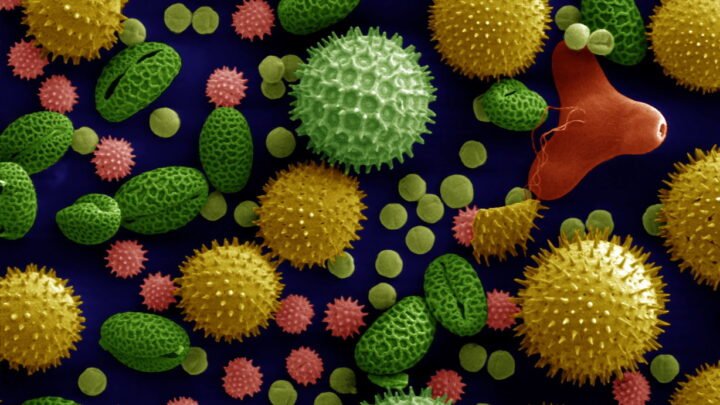
A Nature Plants study of fossil pollen links most plant turnover of the past 120 million years to two hot spells. How it was done, and what it cannot show.
Murad Ali Khan12 min read
news · Astronomy Evidence status: Peer reviewed · Observational study of one planet
JWST mapped hot Jupiter WASP-17b's atmosphere angle by angle: the evening edge is about 650 K hotter and puffier than the morning edge. How, and the catch.
Murad Ali Khan11 min read
news · Anthropology Evidence status: Peer reviewed · Archaeological site study
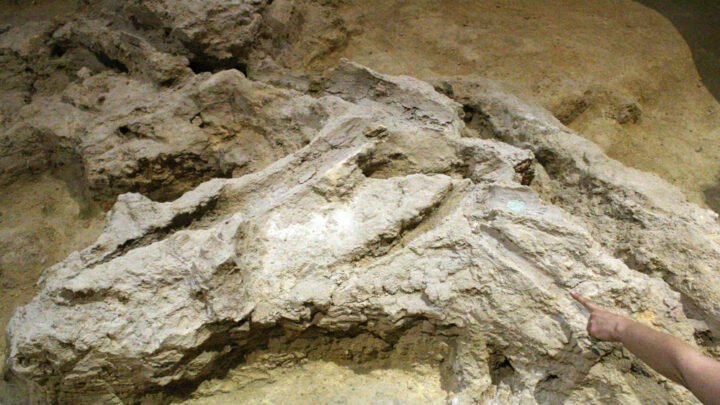
Rock moulds at Spain's Abric Romaní preserve 13 wooden objects Neanderthals made or used, including a 2.45 m spear and a possible club. Here's what's uncertain.
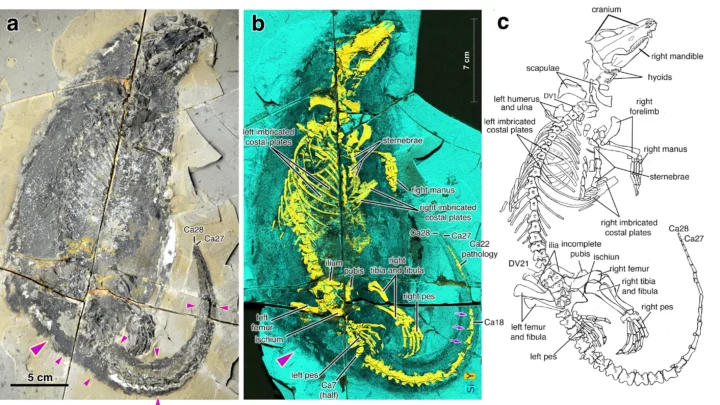
A 165-million-year-old swimming relative of mammals kept throat bones like ours. What the Nature fossil shows, how, and why it rests on a single skeleton.
Murad Ali Khan11 min read
news · Biology Evidence status: Peer reviewed · Genomics study (embryos and tissues)
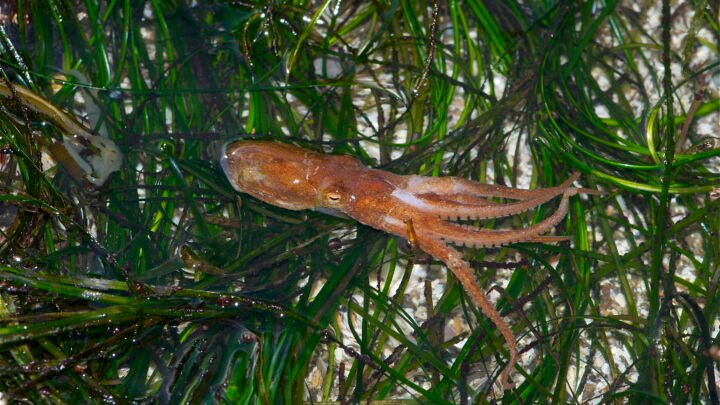
A Nature Communications study maps how DNA folds in squid, cuttlefish and octopus: stable domains, shifting loops, and one switch deletion that shrank brains.
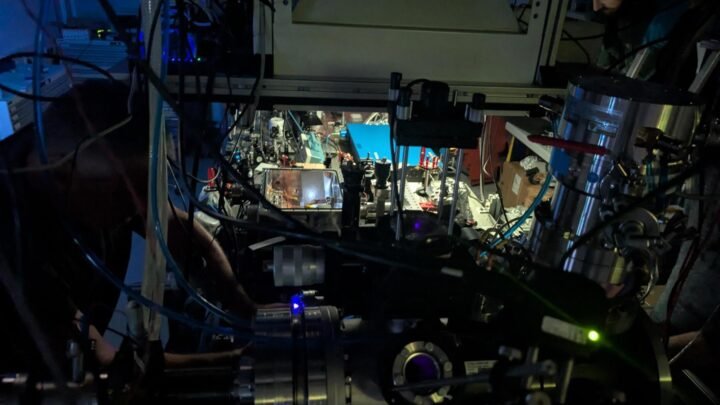
A thorium-229 nuclear clock in Vienna locked its laser to nuclei for a day. What it achieved, how it compares with atomic clocks, and what it can't do yet.