Explainer Space
How Does the James Webb Telescope Work
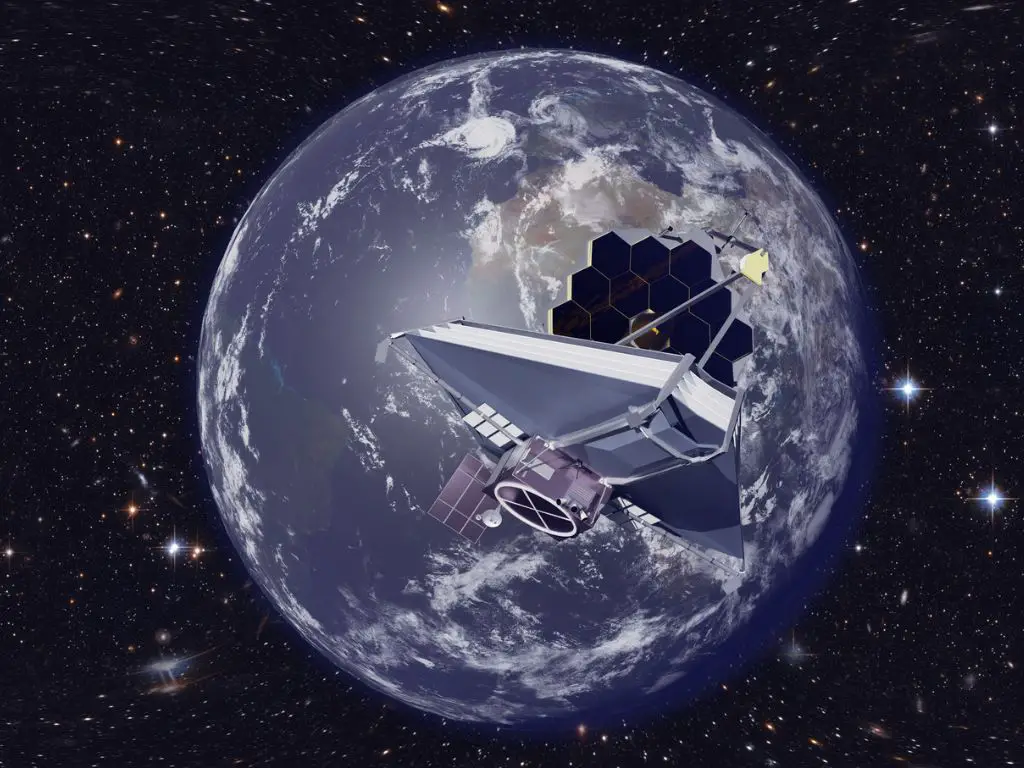
The James Webb Telescope (JWST) is the world’s most powerful telescope. It will look farther into the universe than any other space telescope, allowing us to explore the mysteries of…
Story archive
Browse SciQuest reporting and explainers in reverse chronological order, with the newest evidence-led stories first.
Explainer Space
The James Webb Telescope (JWST) is the world’s most powerful telescope. It will look farther into the universe than any other space telescope, allowing us to explore the mysteries of…
Explainer Space
No black hole holds a confirmed “biggest” title: the most massive black holes weighed by direct methods contain roughly 30–40 billion times the Sun’s mass (about 6–8 × 10⁴⁰ kg),…
Explainer Health
Circumcision is a procedure that has been practiced for centuries, and it is still widely used today. It involves the removal of the foreskin from the penis, which can be…
Explainer Biology
Beluga whales are a species of toothed whale that inhabit the cold waters of the Arctic and sub-Arctic regions. They feed primarily on fish, such as capelin, herring and cod;…
Explainer Biology
Animals have played a significant role in human history and continue to do so today. While many animals are considered to be harmless and even beneficial to humans, some can…
Explainer Environment
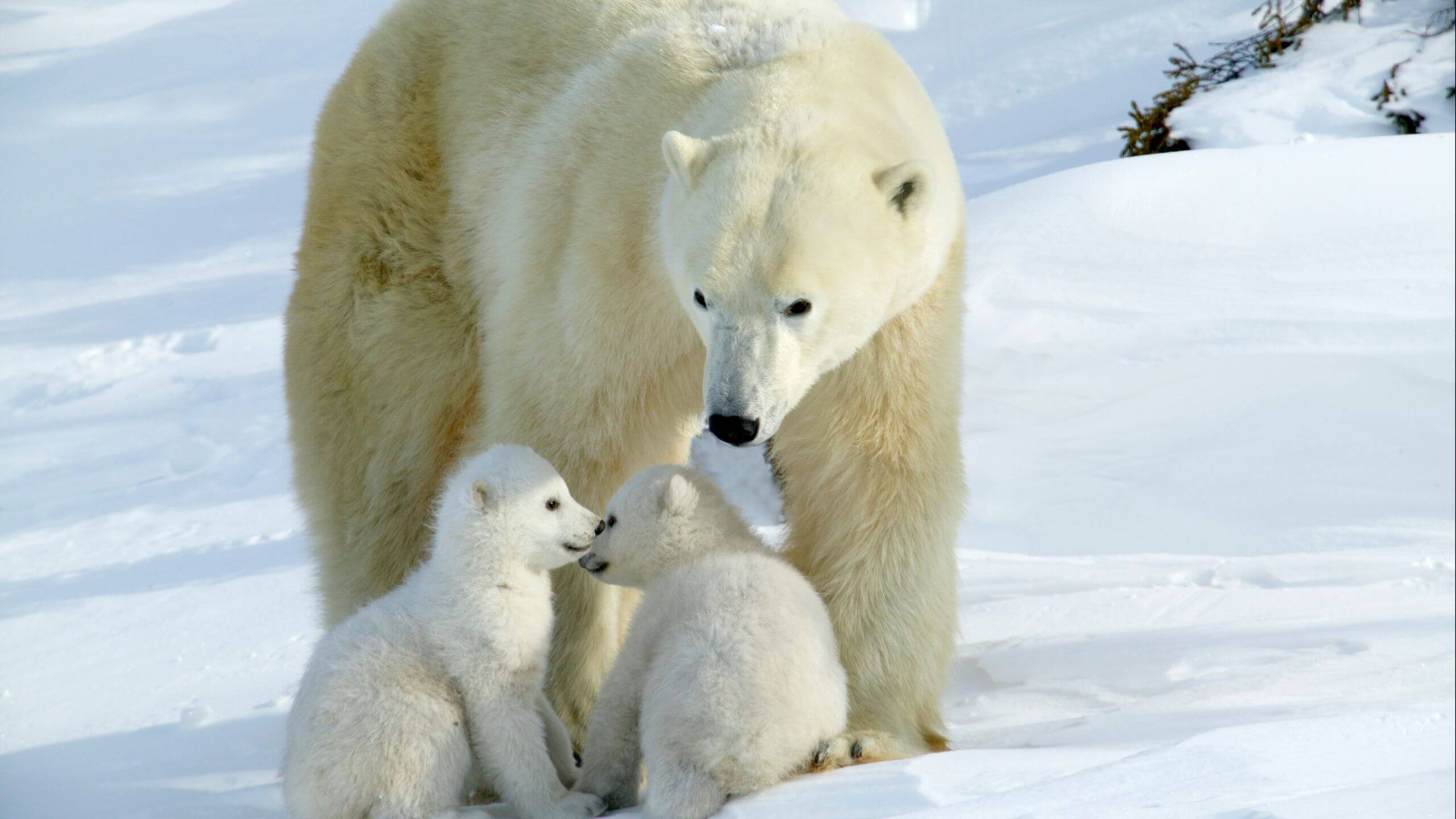
The estimated number of polar bears left in the world is between 22,000 and 31,000. Polar Bears are the most iconic species of the arctic ecosystem. But they are also…
Explainer Environment
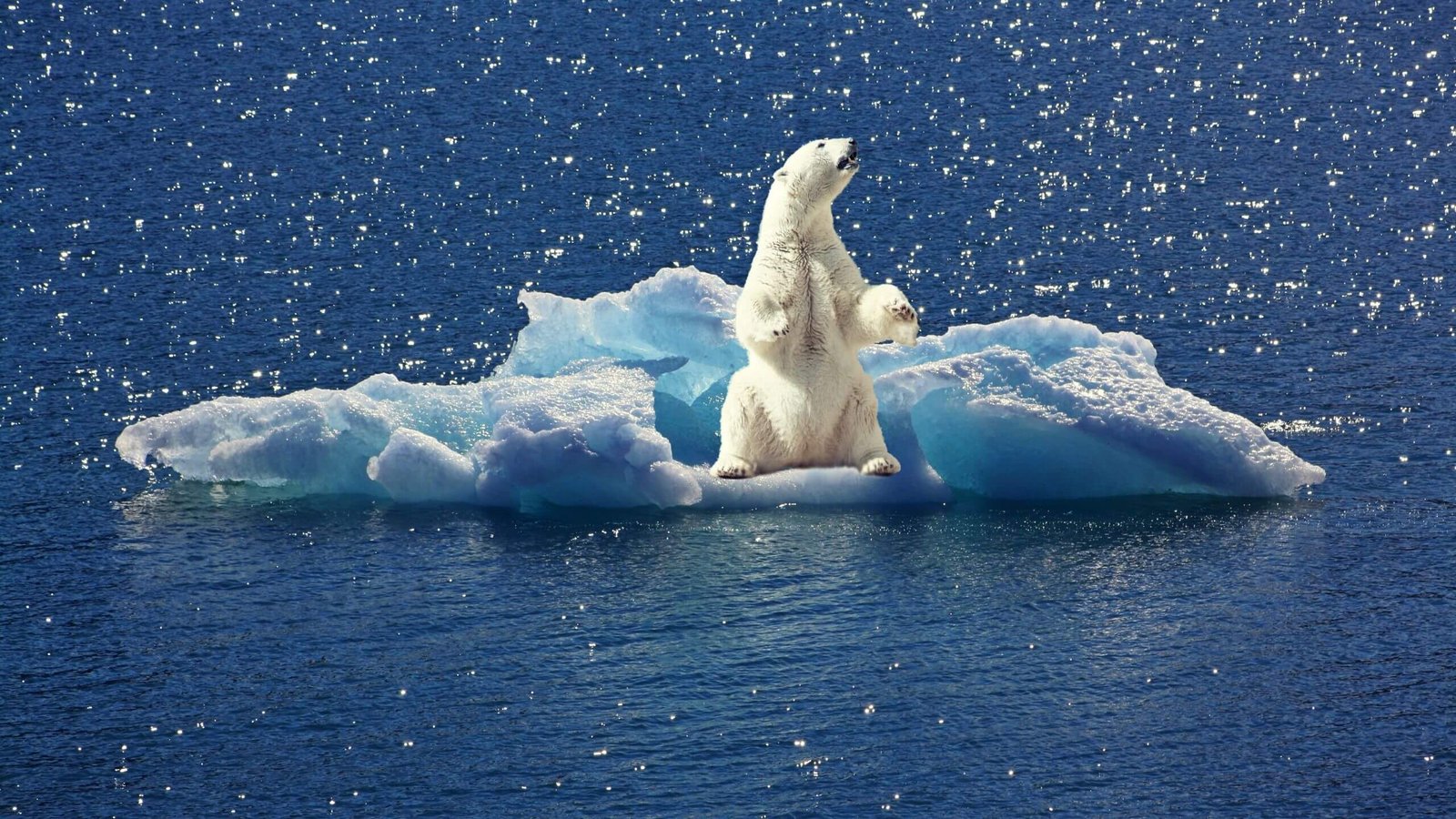
Polar bears are the iconic species of the arctic ecosystem. They are one of the most significantly affected species due to climate change. They depend on sea ice to breed,…
Explainer Earth
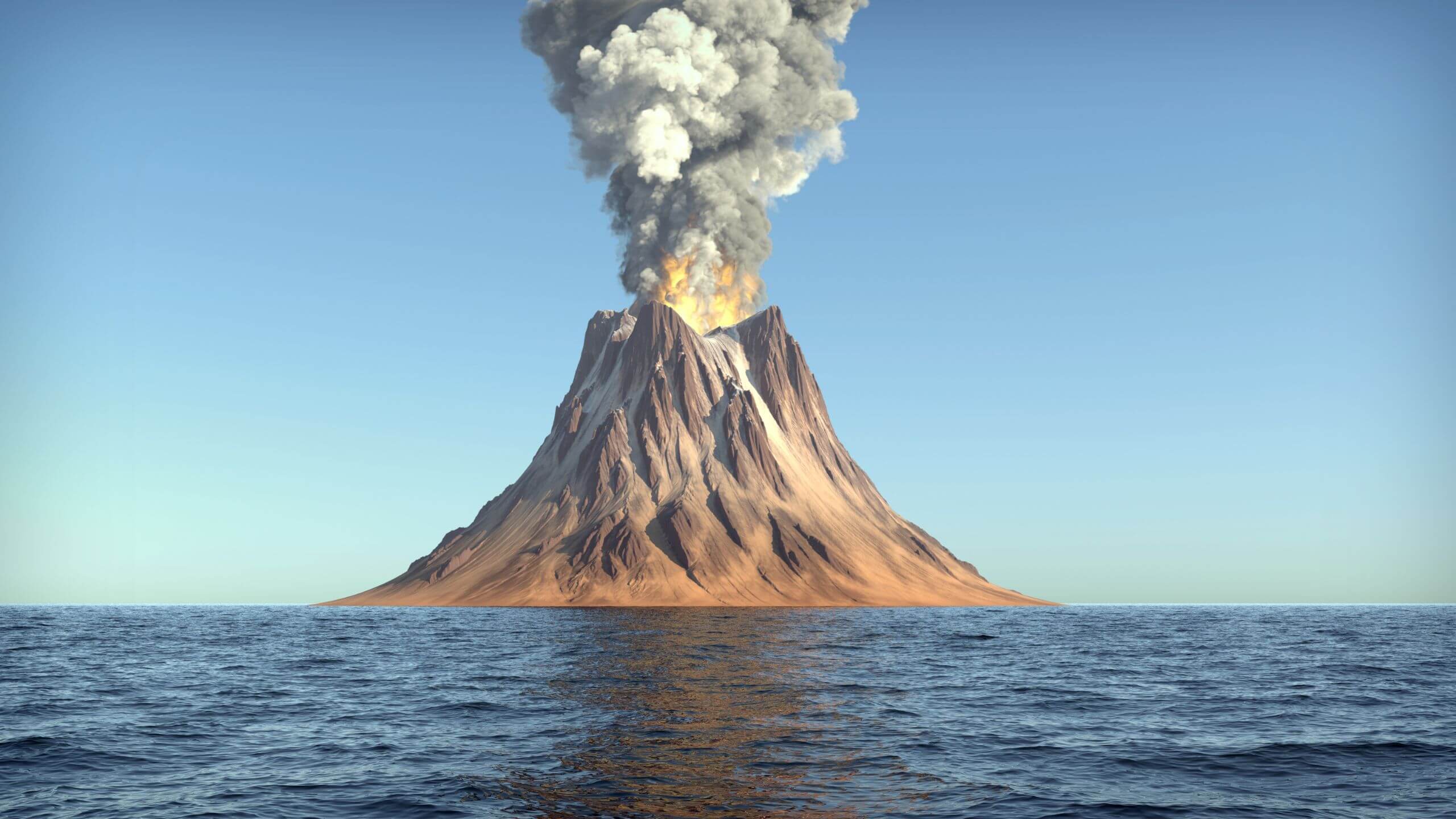
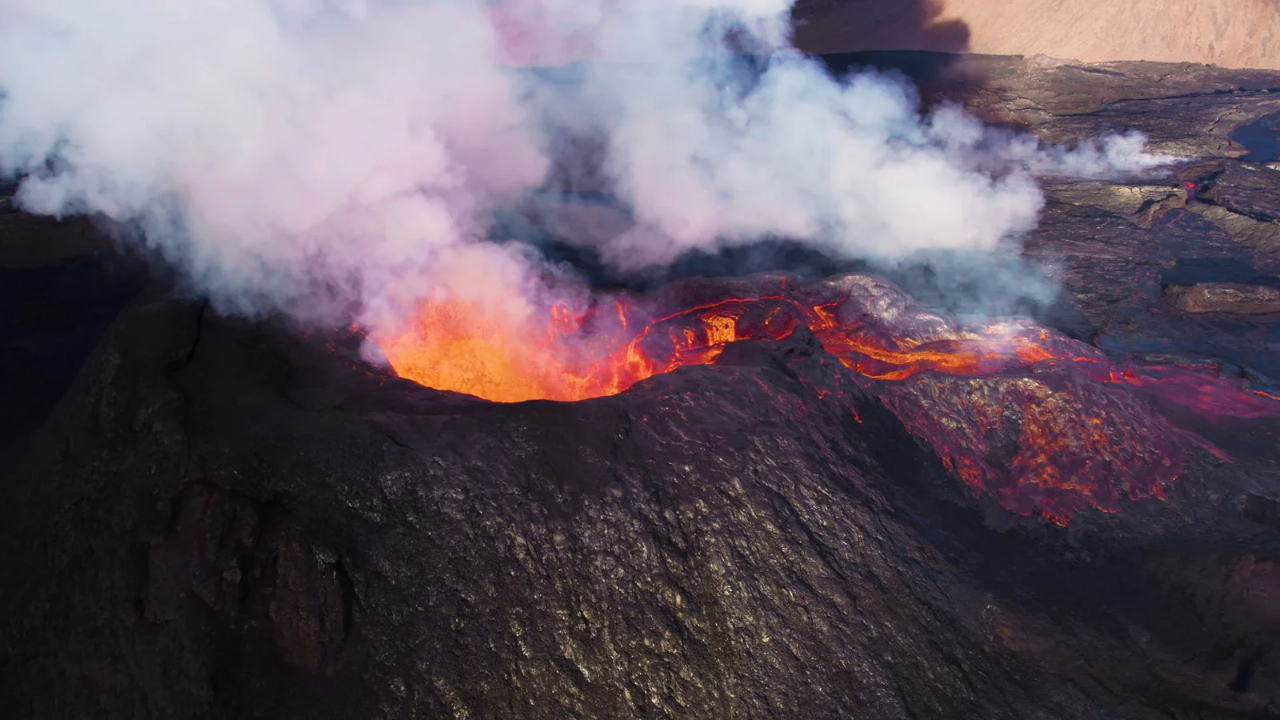
A volcanic eruption occurs when lava and gasses are released from a volcano. It is one of the most powerful forces on earth and can have devastating effects. The main…
Explainer Earth
Mauna Loa is the World’s largest active volcano, located on the big island of Hawaii. The immense Mauna Loa is a shield volcano that rises more than 10,000 feet(3 km)…