Science story Physics
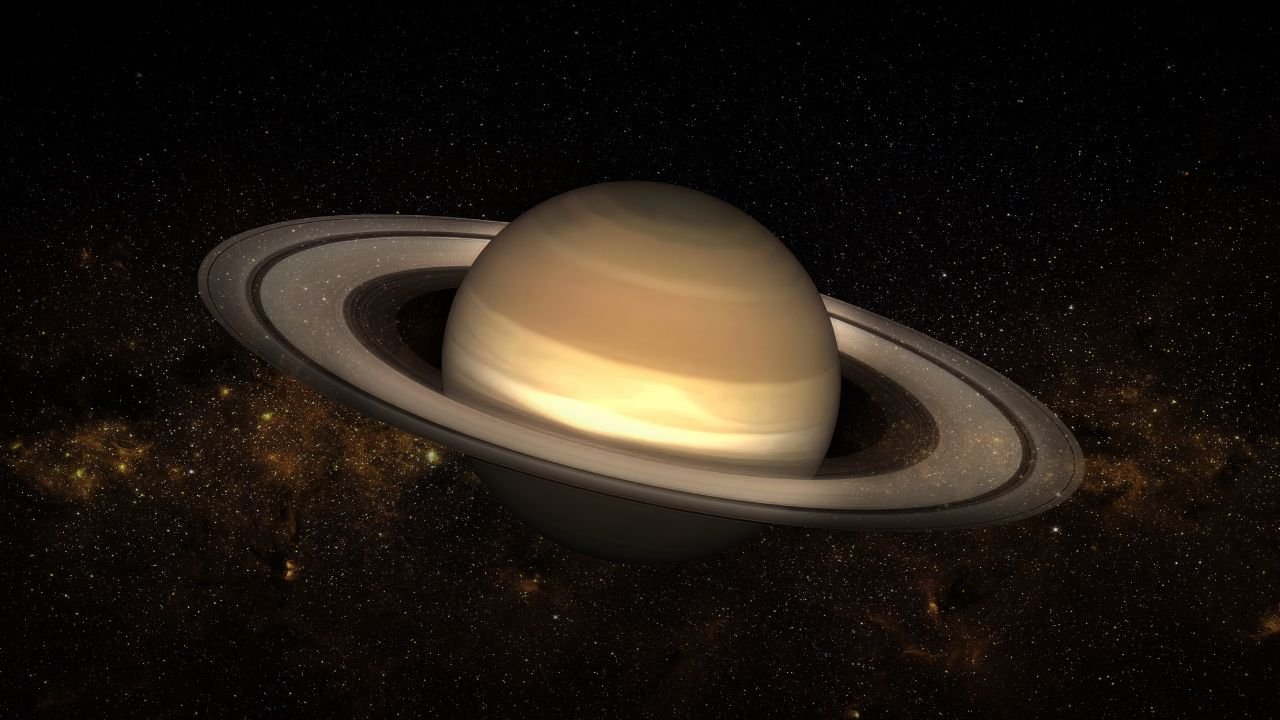
Saturn’s Gravity: How Strong Is The Gravity On Saturn?
Saturn is the sixth planet in the solar system and the second largest after Jupiter. It is composed mainly of hydrogen and helium. This made Saturn into a gas giant…
Browse the archive
Science story Physics
Saturn is the sixth planet in the solar system and the second largest after Jupiter. It is composed mainly of hydrogen and helium. This made Saturn into a gas giant…
Science story Physics
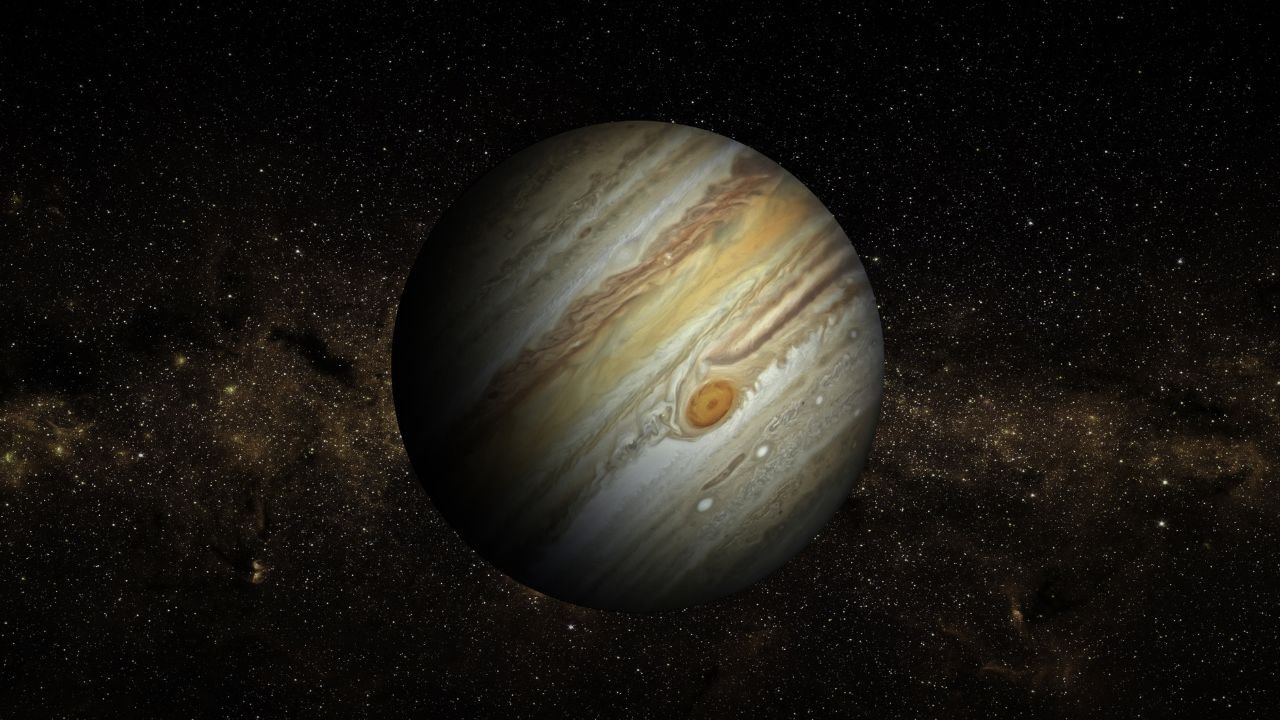
Gravity is one of the four fundamental forces of nature. That controls the movement and interactions of planets and other celestial bodies. Jupiter, the largest planet in our solar system,…
Science story Astronomy
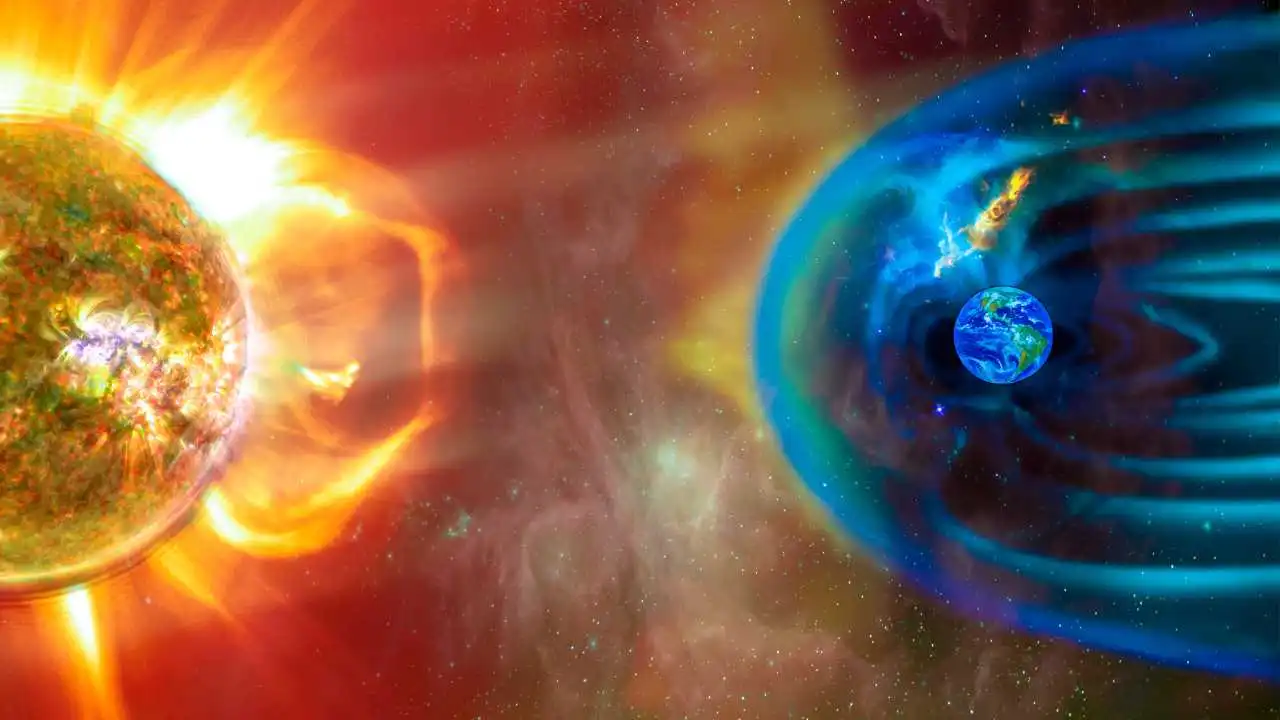
The sun is a glowing ball of gasses at the centre of our solar system. It is made of a gas-like material called plasma, consisting of charged particles. The sun…
Science story Astronomy
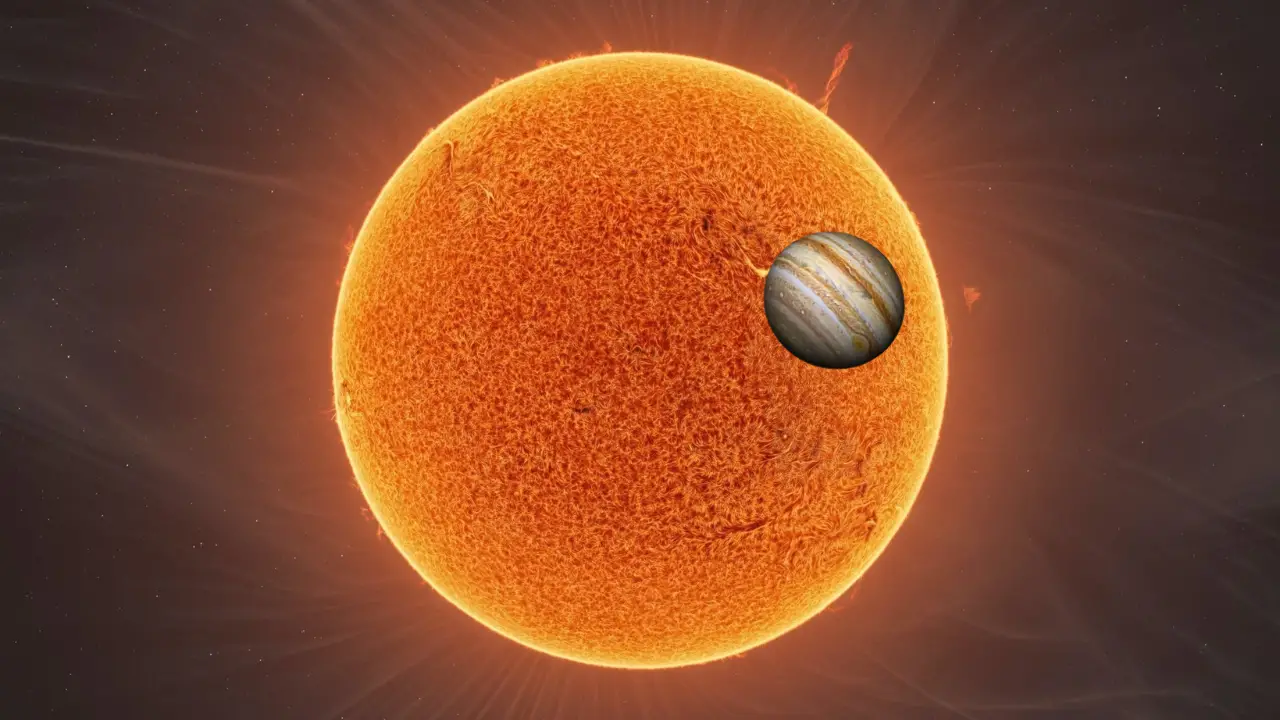
# Jupiter vs the Sun: How Many Jupiters Fit Inside the Sun? The Sun has roughly 1,000 times Jupiter’s volume. That is why the usual answer says about 1,000 Jupiters…
Science story Astronomy
Saturn’s rings are the most complex and enormous ring system of any planet in the solar system. It consists of countless icy particles ranging in size from tiny grains to…
Science story Physics
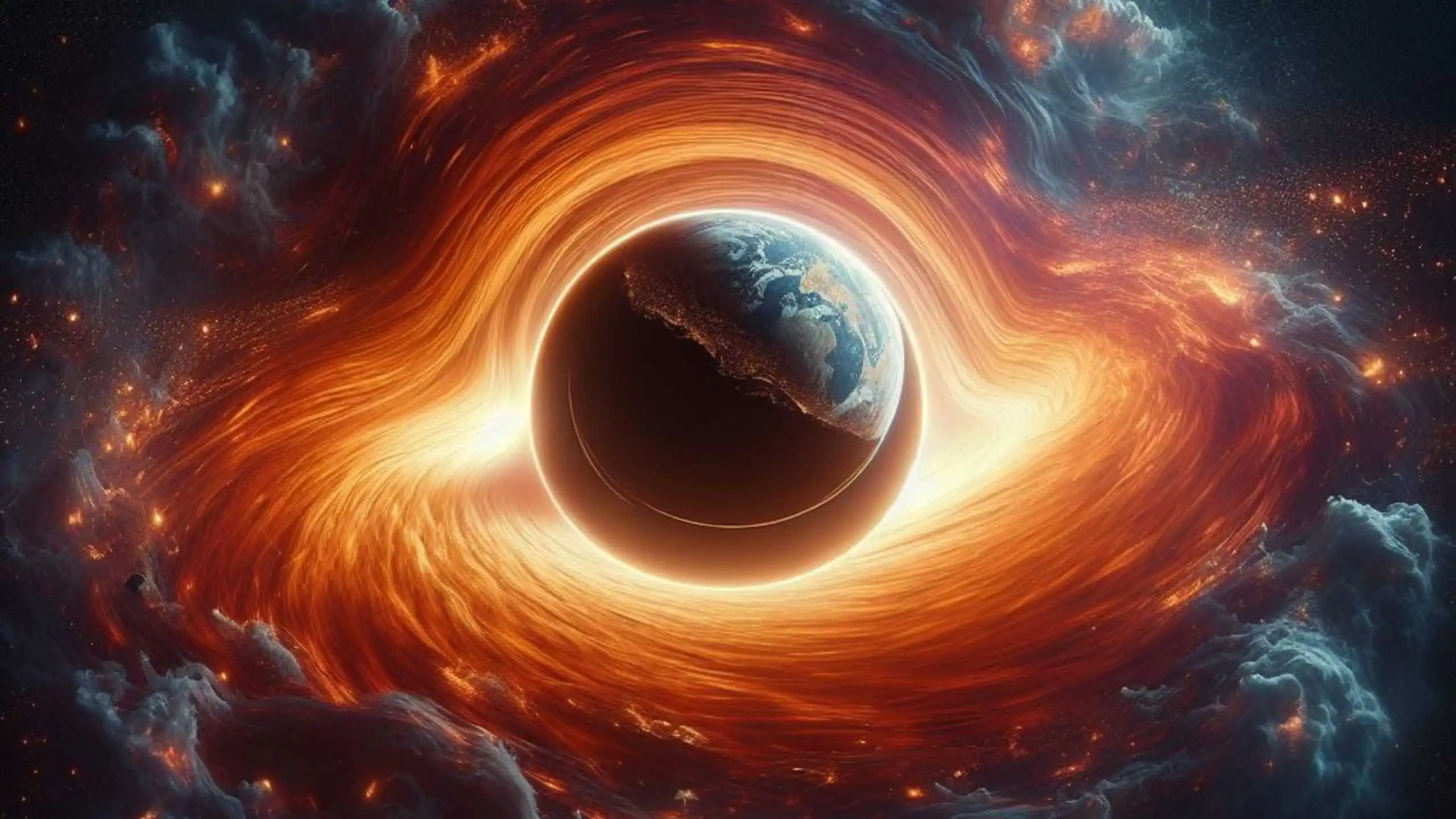
Black holes are regions where gravity is so strong that nothing, not even light, can escape them. They are formed from the remnants of massive stars that have collapsed under…
Science story Space
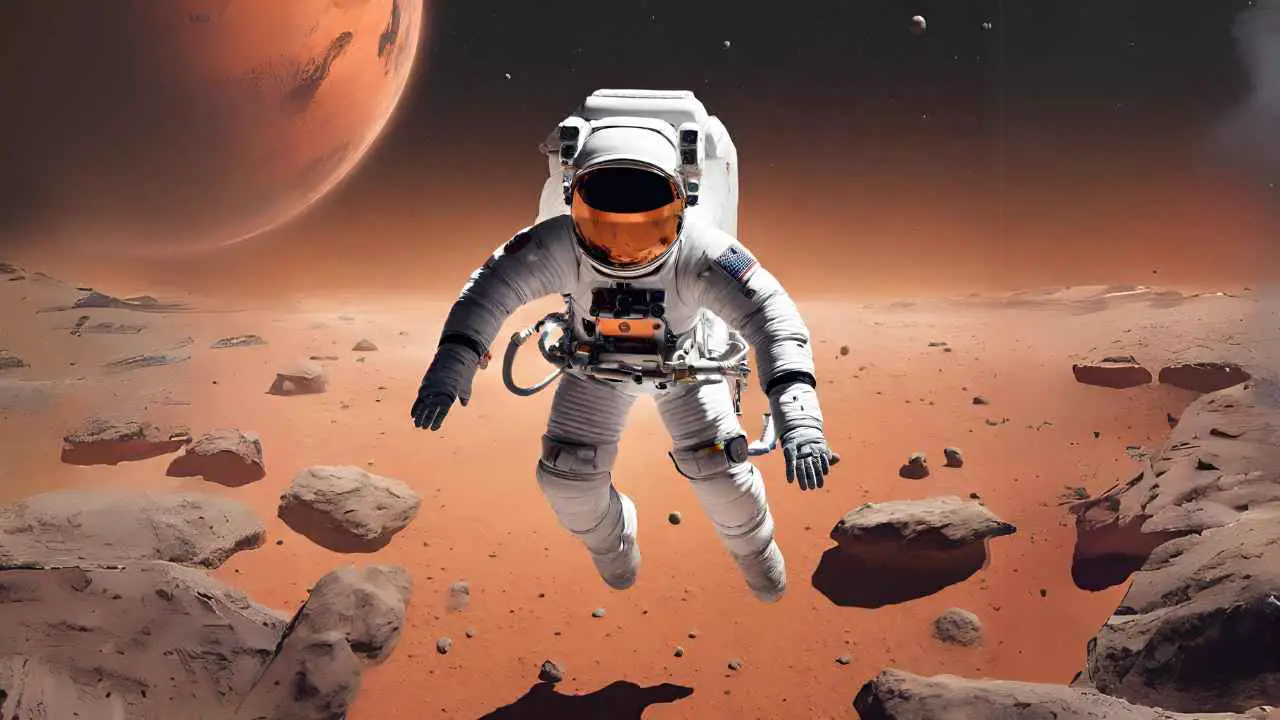
Mars is the fourth nearest planet to the sun in our solar system. It is a small planet with a volume of only about 15% and a mass of only…
Science story Astronomy
The transformation of the Sun into a black hole is one of the captivating concepts. However, due to the Sun’s relatively small mass, this conversion is impossible. Black holes are…
Science story Physics
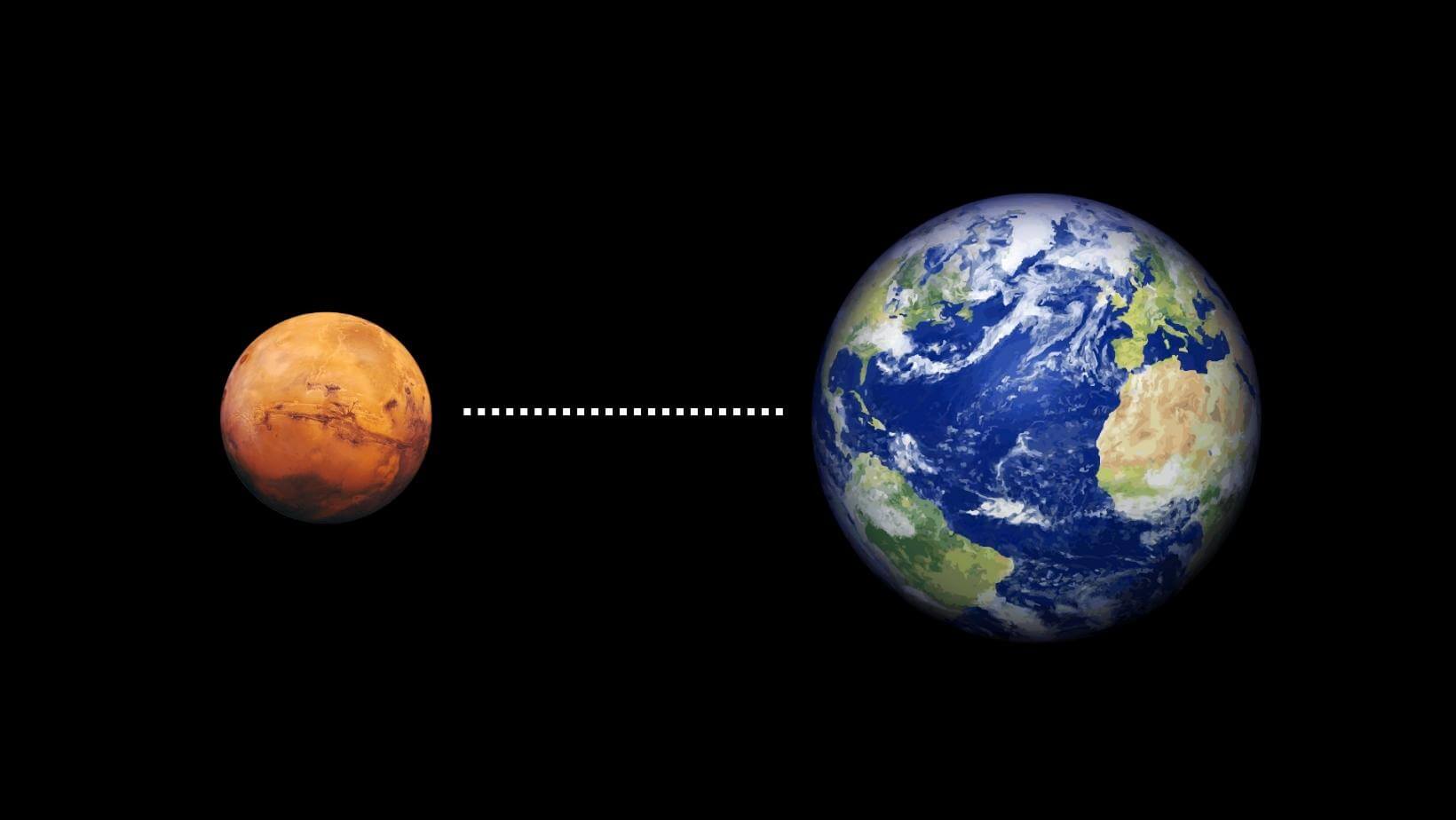
The distance between Earth and Mars in our Solar system is not constant, because of the difference in their positions inside their orbits. It changes as both planets move in…