
Explainer Health
Aging Occurs In Two Bursts Of Human Life
According to Stanford Medicine research humans do not experience aging in a steady cycle of linear changes, instead we experience bursts of aging between ages 44-60. As reported by Aging…
Browse the archive
Explainer Health
According to Stanford Medicine research humans do not experience aging in a steady cycle of linear changes, instead we experience bursts of aging between ages 44-60. As reported by Aging…
Explainer Biology
The idea of uploading a human mind—transferring your memories, personality, and consciousness into a machine—sounds like something pulled from the pages of a sci-fi novel. But as brain science and…
Explainer Health
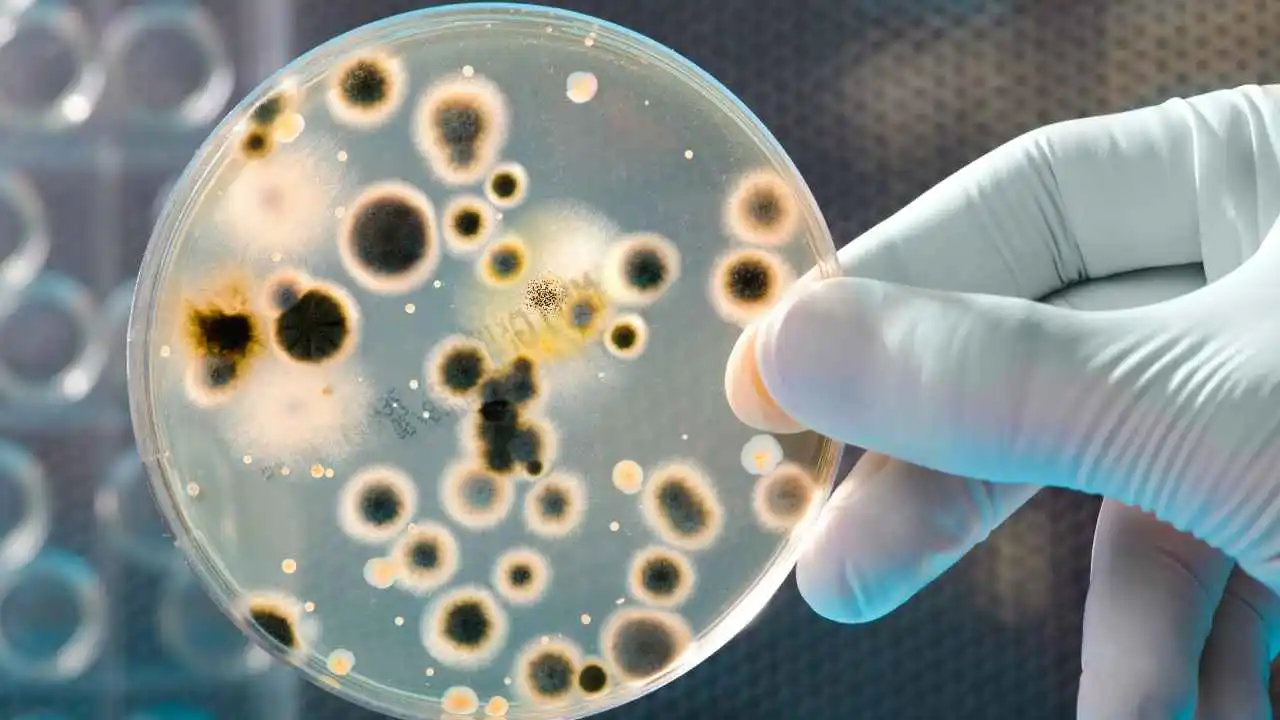
Bacteria are often categorized into good and bad types. Good bacteria, or probiotics, are essential for digestion, helping to break down food and making nutrients more available. They also support…
Explainer Health
An e-cigarette or a vape is a device that uses nicotine solution, flavorings, and some other chemicals that might be harmful to the user but it is devoid of tobacco.…
Explainer Health
The human body consists of four basic types of tissues: the epithelial, nervous, muscle, and connective tissue. These tissues possess an incredible capacity to self-repair and regenerate. Some of these…
Explainer Earth
The Mariana Trench is the deepest part of the ocean, which is found in the Pacific Ocean, plunging over 36,000 feet (11,1000 meters). It’s a mysterious and extreme environment where…
Explainer Health
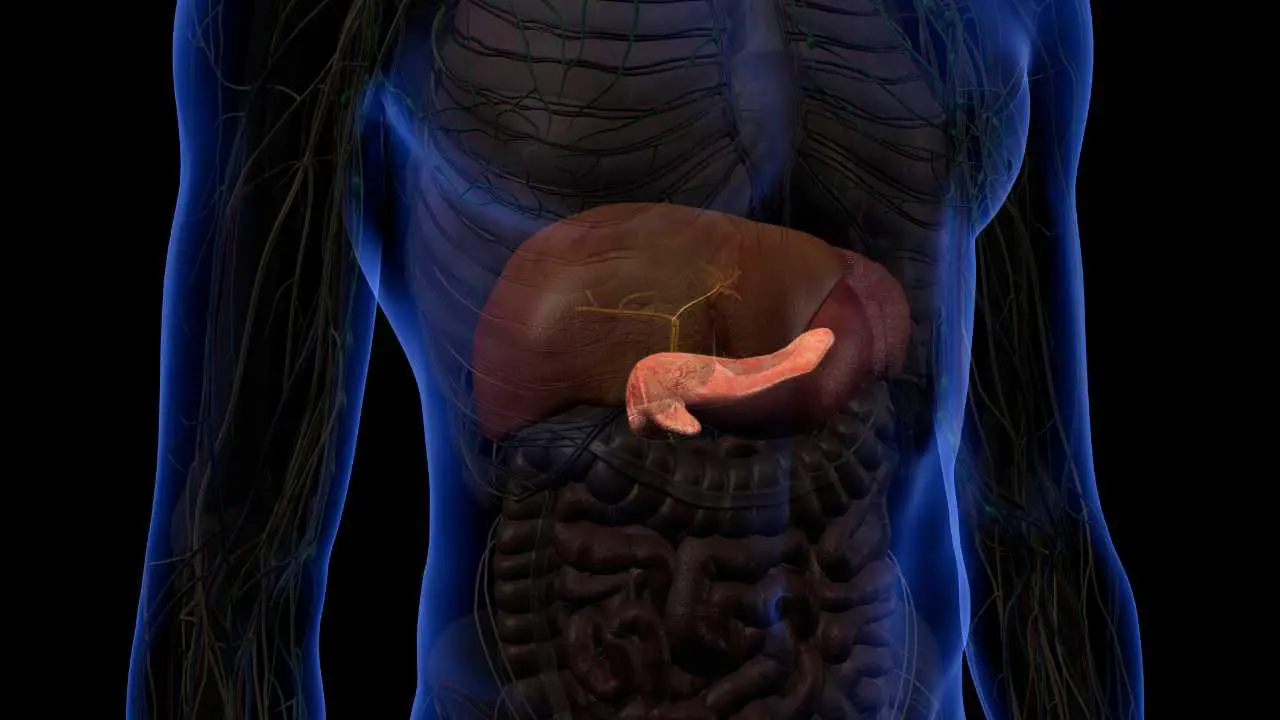
Yes, people can live for many years without a pancreas, but they need lifelong treatment: insulin, because removing the whole pancreas always causes diabetes, and pancreatic enzyme capsules taken with…
Explainer Biology
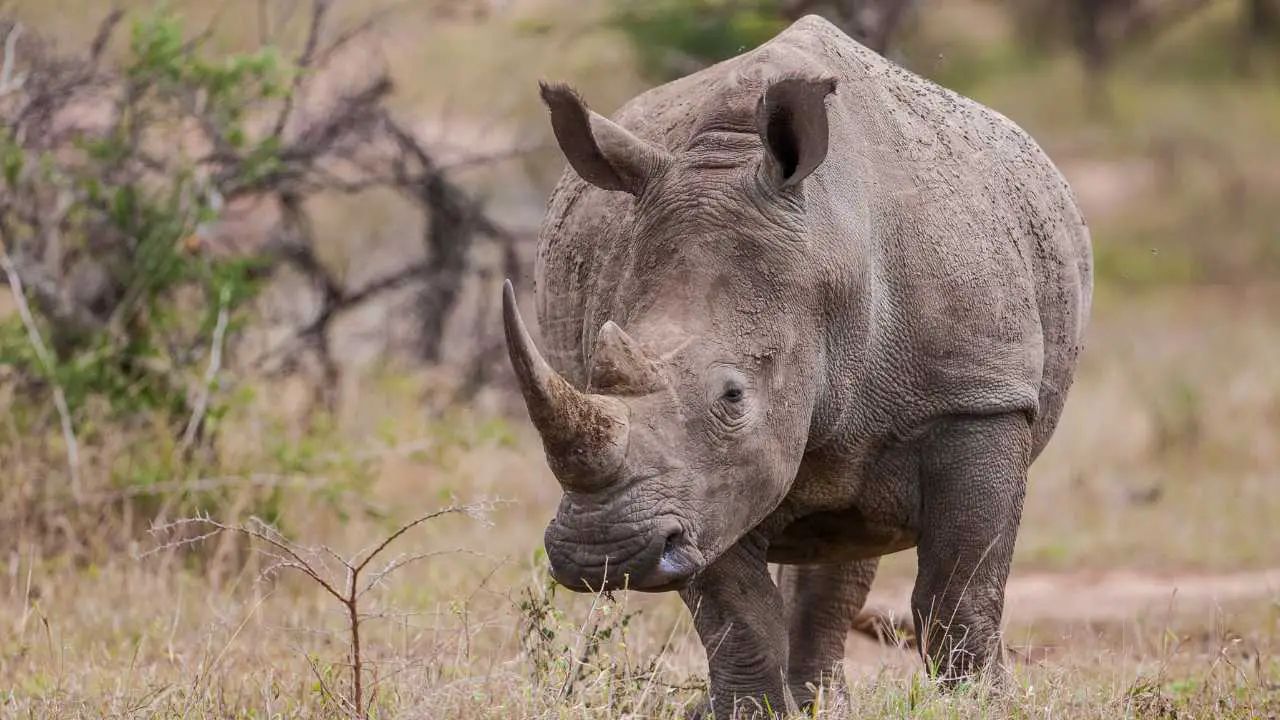
Yes, rhino horns grow back. Just like the fingernails and hair of humans, rhino horns grow throughout their life. Their horns have the ability to regenerate. Rhinoceroses or simply rhinos…
Explainer Environment
The beluga whale is a cetacean found in the Arctic and sub-Arctic waters. It is well-known for its distinctive white color and is also known as a white whale. Like…