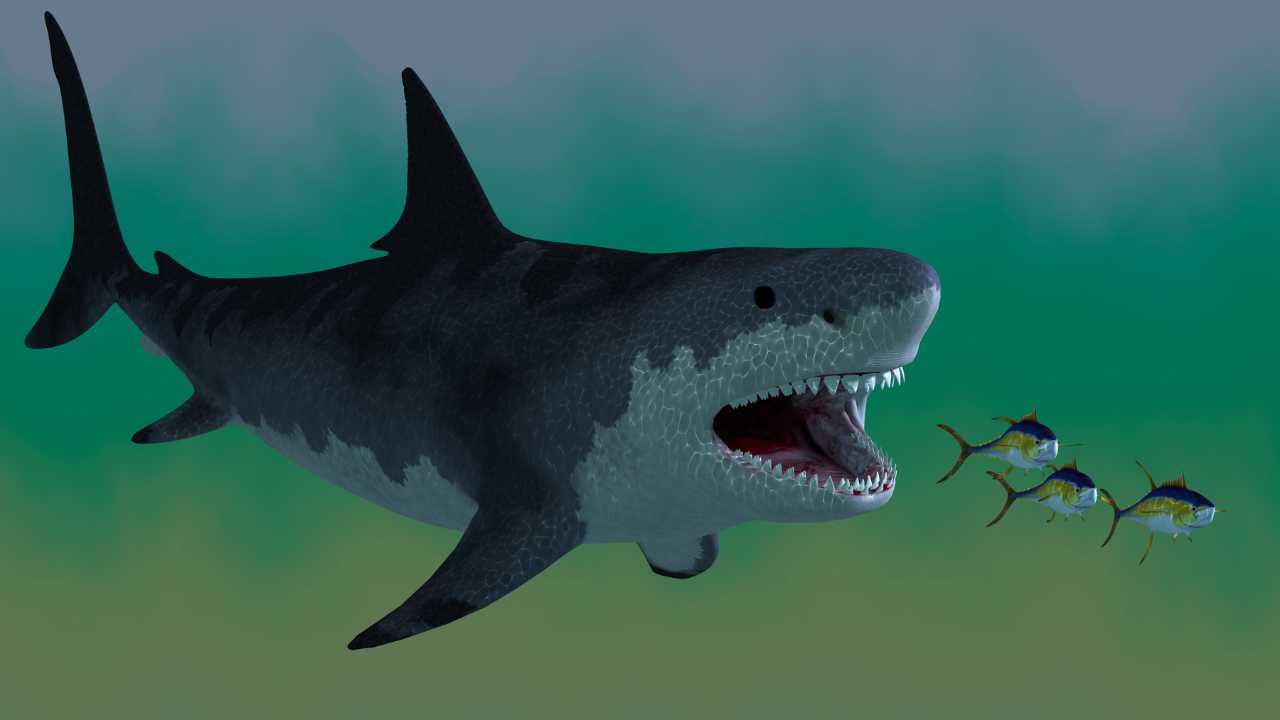
The Megalodon, scientifically known as Otodus megalodon, is an extinct species of giant mackerel shark that roamed the oceans approximately 23 to 3.6 million years ago. Known for its incredible…
# Why Did NASA Stop Exploring the Ocean? It Didn’t—Here’s What NASA Actually Does NASA did not begin as a deep-ocean exploration agency and then abandon the sea because of…
The future of Earth is a complex and uncertain topic, which has various potential scenarios that scientists explore. According to some scientists, the first living thing appeared on Earth around…
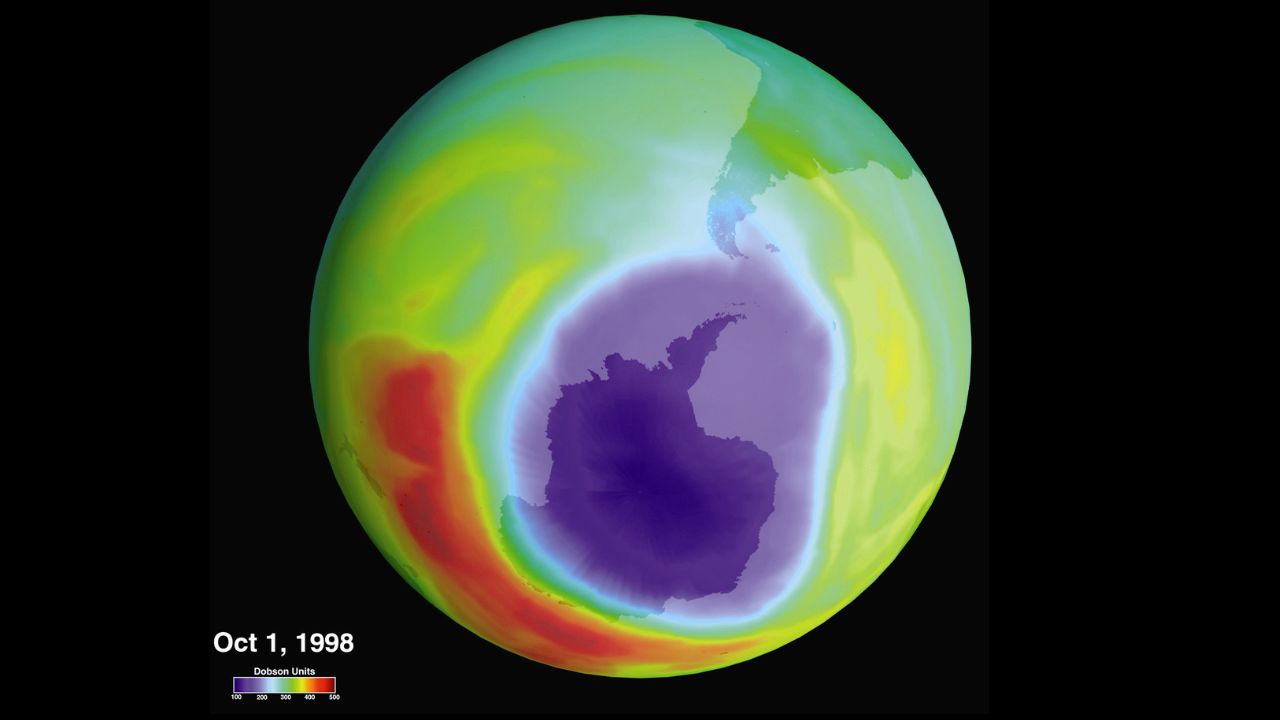
# Is the Antarctic Ozone Hole Healing? What the Latest Evidence Shows Yes—the weight of evidence indicates that the Antarctic ozone hole is beginning a slow, uneven recovery. Large holes…
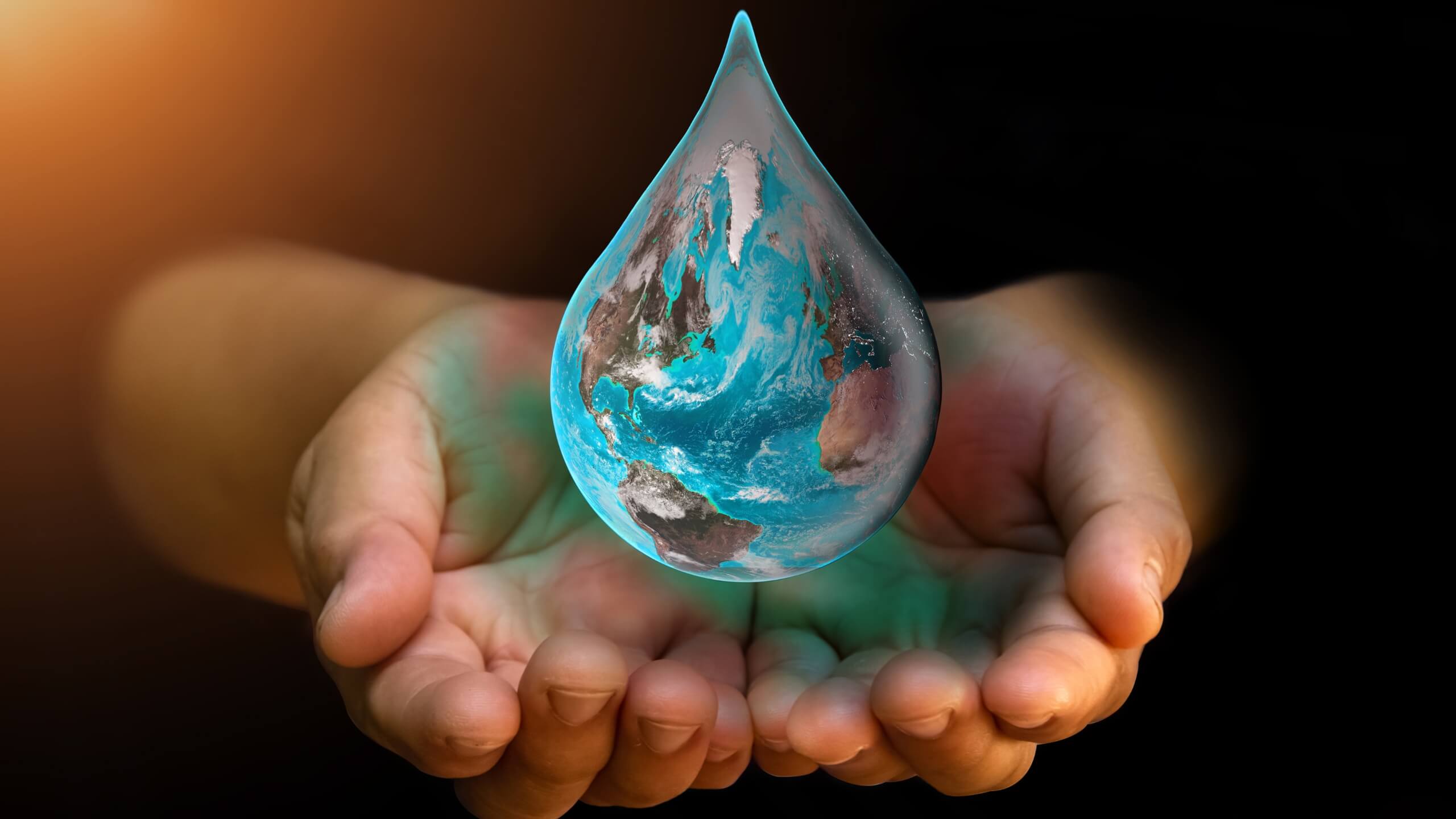
The origin of water on Earth has captivated scientists for countless years, driving them to unravel the mystery that covers its true source. Recent research suggests that Earth’s water may…
Net zero emissions is a concept, which means the amount of greenhouse gasses released into the atmosphere is balanced by an equal or more amount being removed from the atmosphere.…
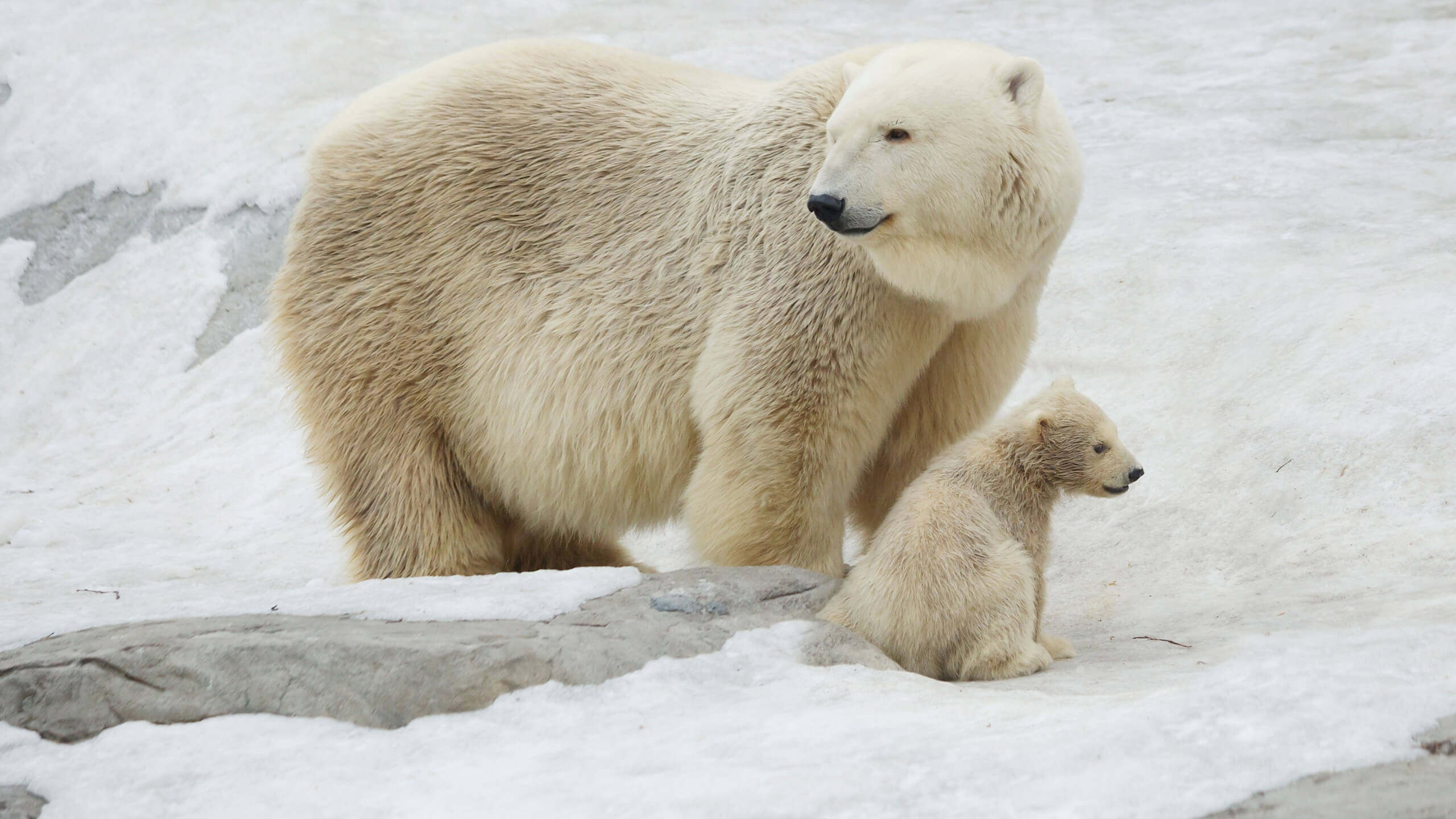
The Polar bear is a species of bear indigenous to the Arctic and surrounding regions. It roams the ice sheets of the Arctic and swims in the coastal waters. It…
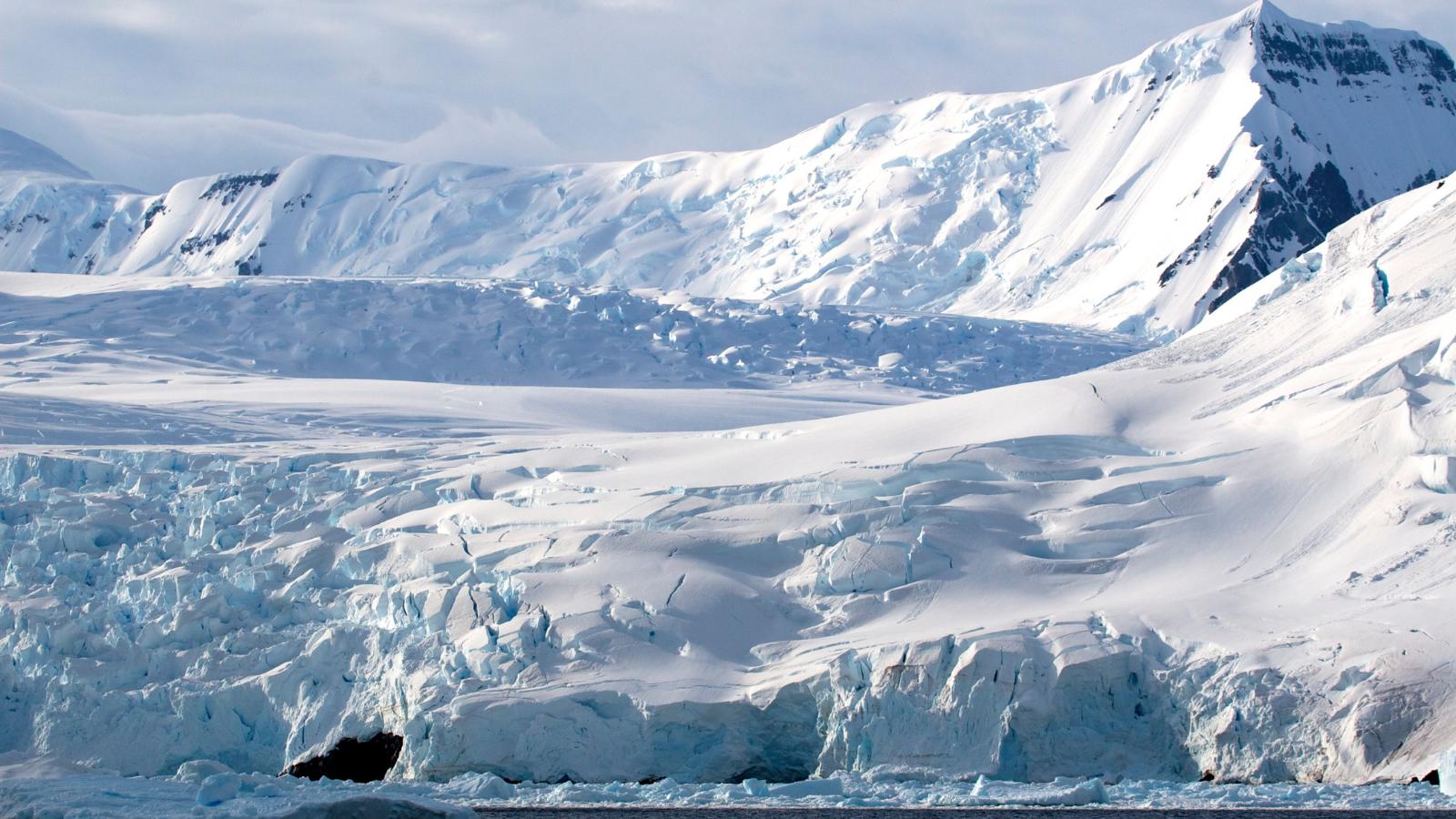
Antarctica ice sheets hold a vast amount of lakes underneath, these growing and shrinking lakes are the real gems of intensely cold water. There are more than 400 known lakes…
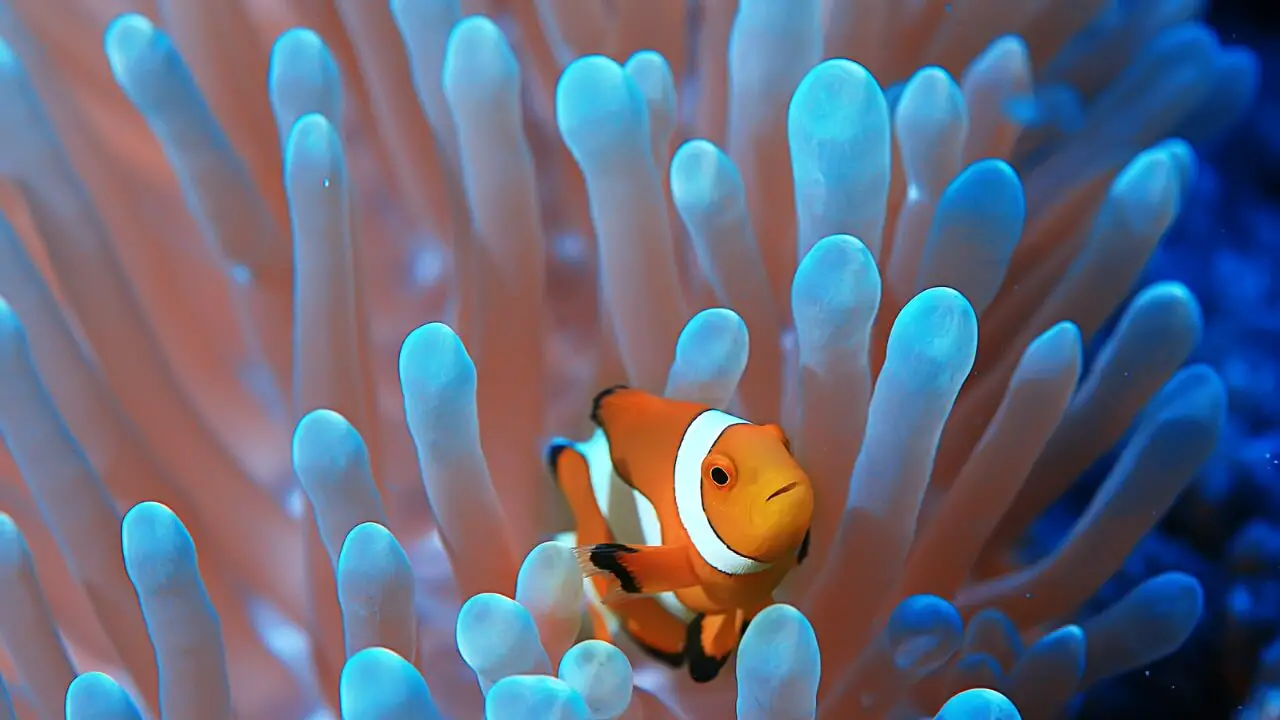
Coral reefs are complex structures underwater deposited by corals. Corals are immobile small marine invertebrate animals that take root on the ocean floor. They are colonial animals and classified in…