Explainer Space
How strong is gravity on Saturn? Near Earth’s, from equator to pole
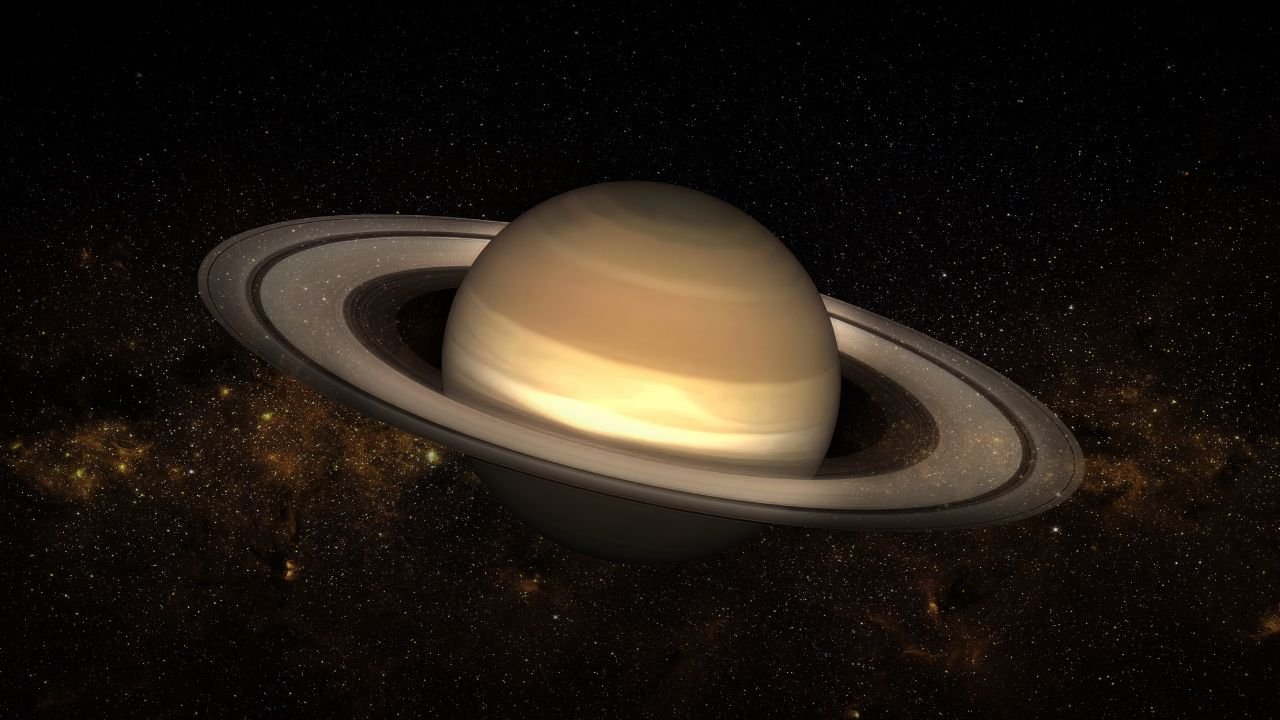
Gravity on Saturn is close to Earth’s: about 9.0 m/s² at the equator (0.92 times Earth’s) and 12.1 m/s² at the poles (1.24 times), with a mean of 11.2 m/s²,…
Browse the archive
Explainer Space
Gravity on Saturn is close to Earth’s: about 9.0 m/s² at the equator (0.92 times Earth’s) and 12.1 m/s² at the poles (1.24 times), with a mean of 11.2 m/s²,…
Explainer Physics
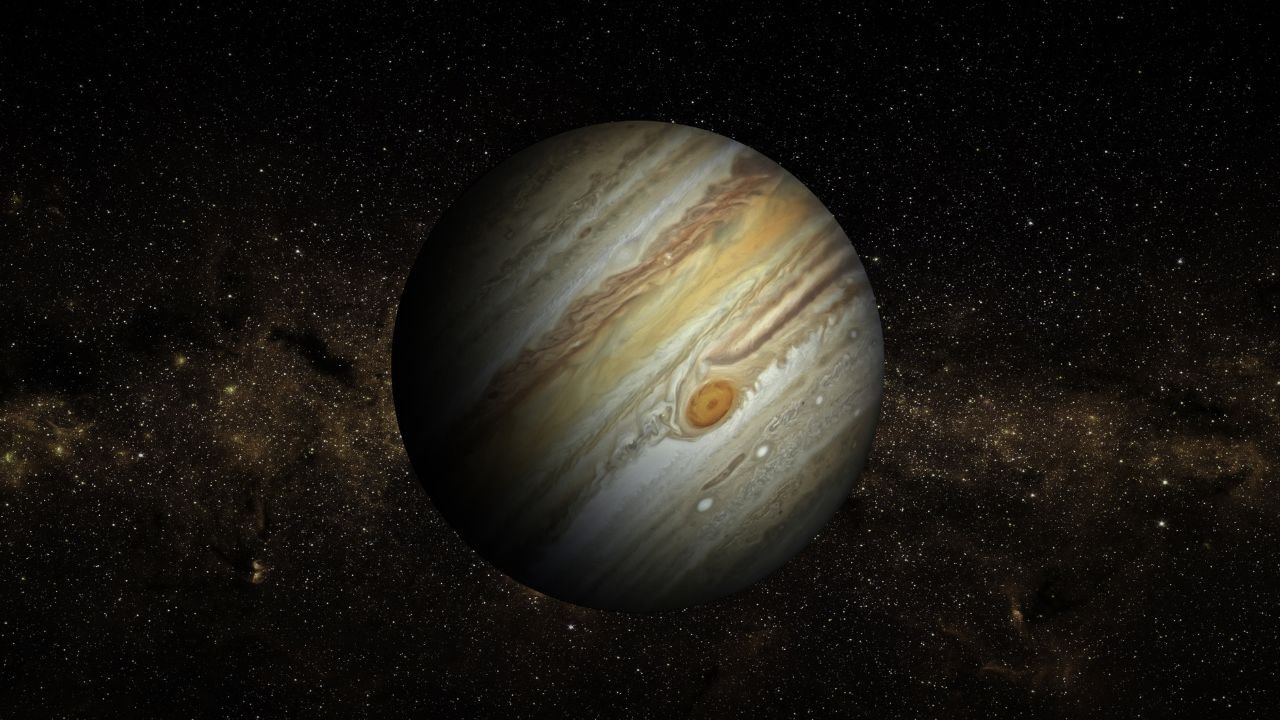
Gravity on Jupiter is about 2.4 to 2.7 times Earth’s: roughly 23.1 m/s² at the equator and 27.0 m/s² at the poles, with a mean of 25.9 m/s², according to…
Explainer Space
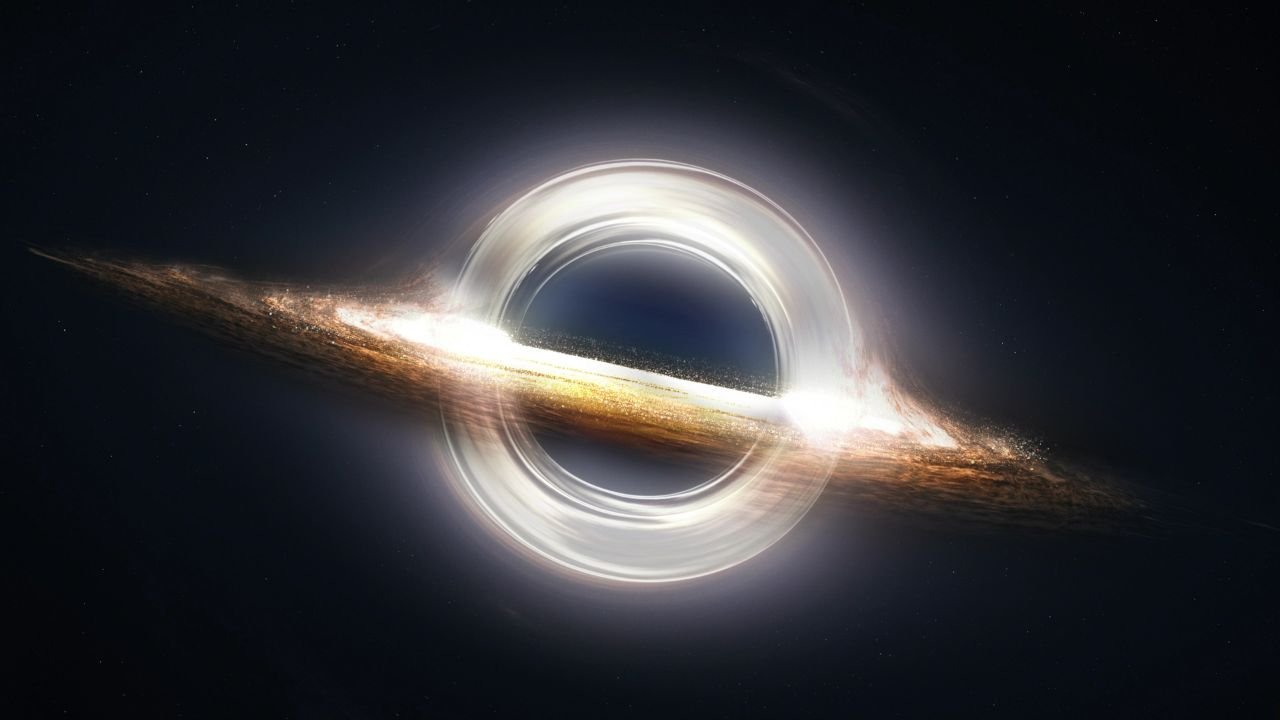
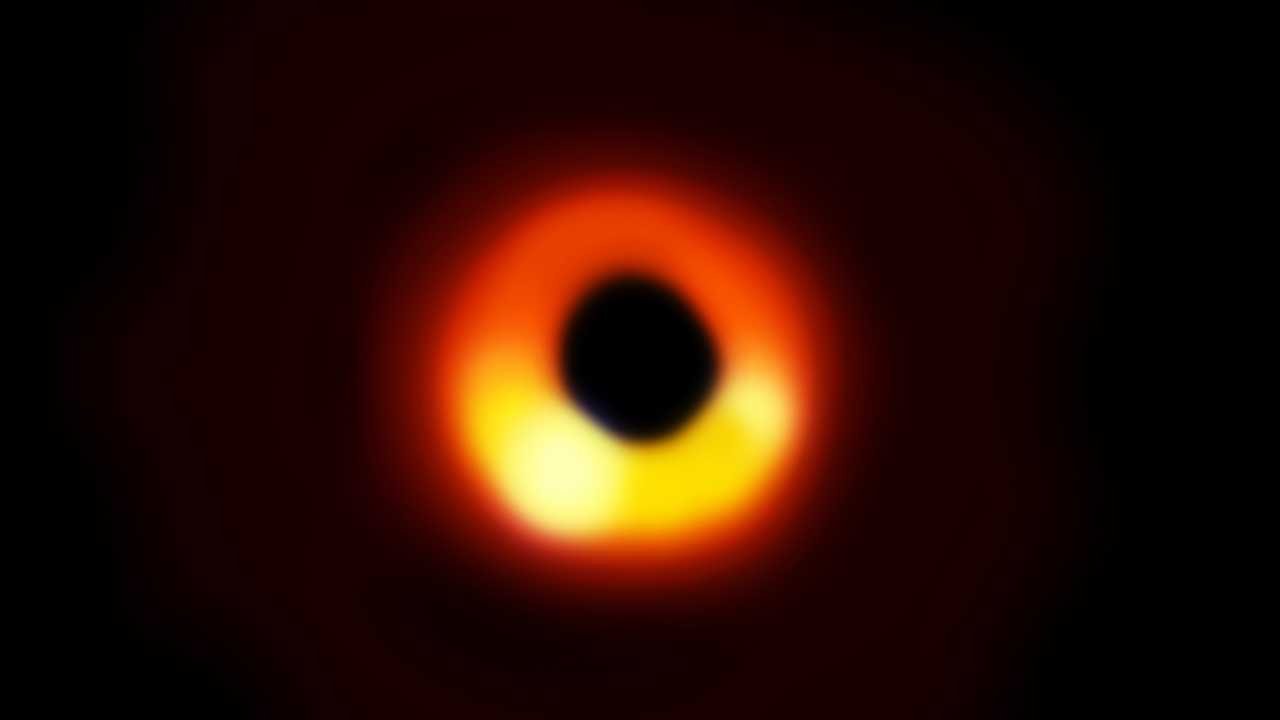
There is no clean, confirmed winner: TON 618 is estimated at roughly 41–66 billion solar masses (about 8–13 × 10⁴⁰ kg), Holmberg 15A’s black hole at 40 ± 8 billion…
Explainer Earth
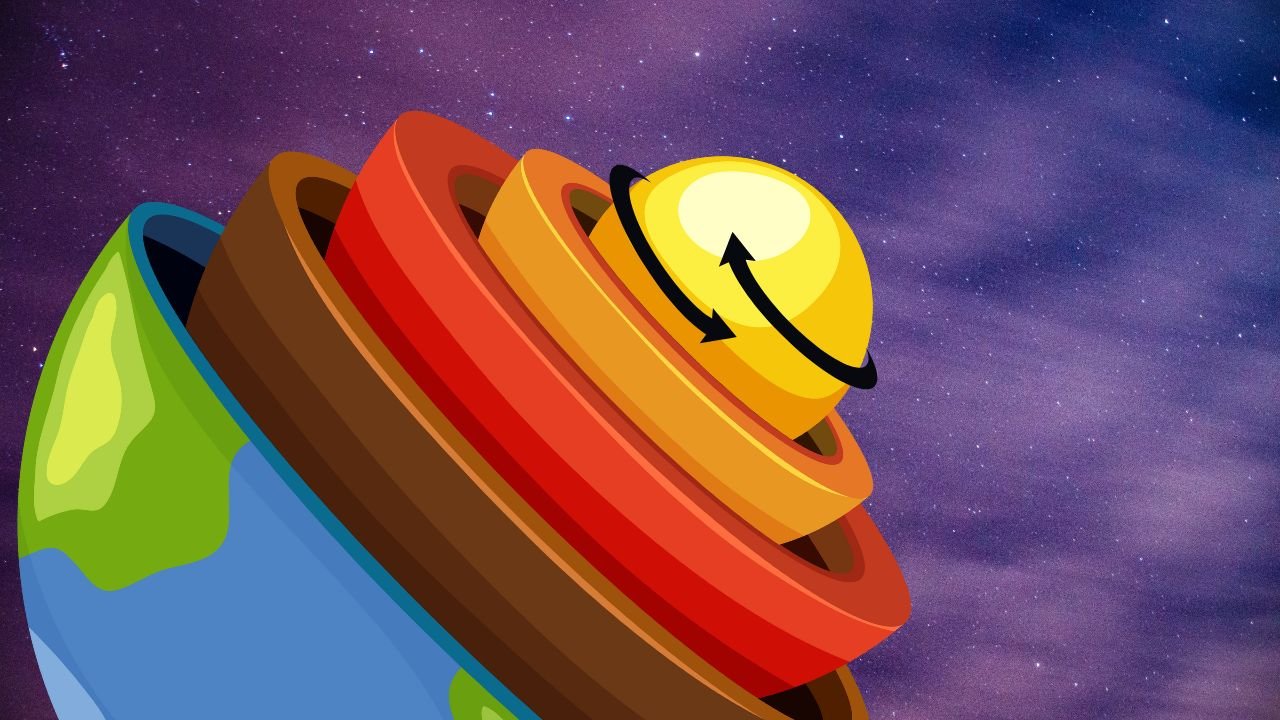
7000 kilometres wide, Earth’s Inner core has shown signs of stopping and reversing its spin since 2009. But the question arises, what would be its consequences? The spinning of Earth’s…
Explainer Physics
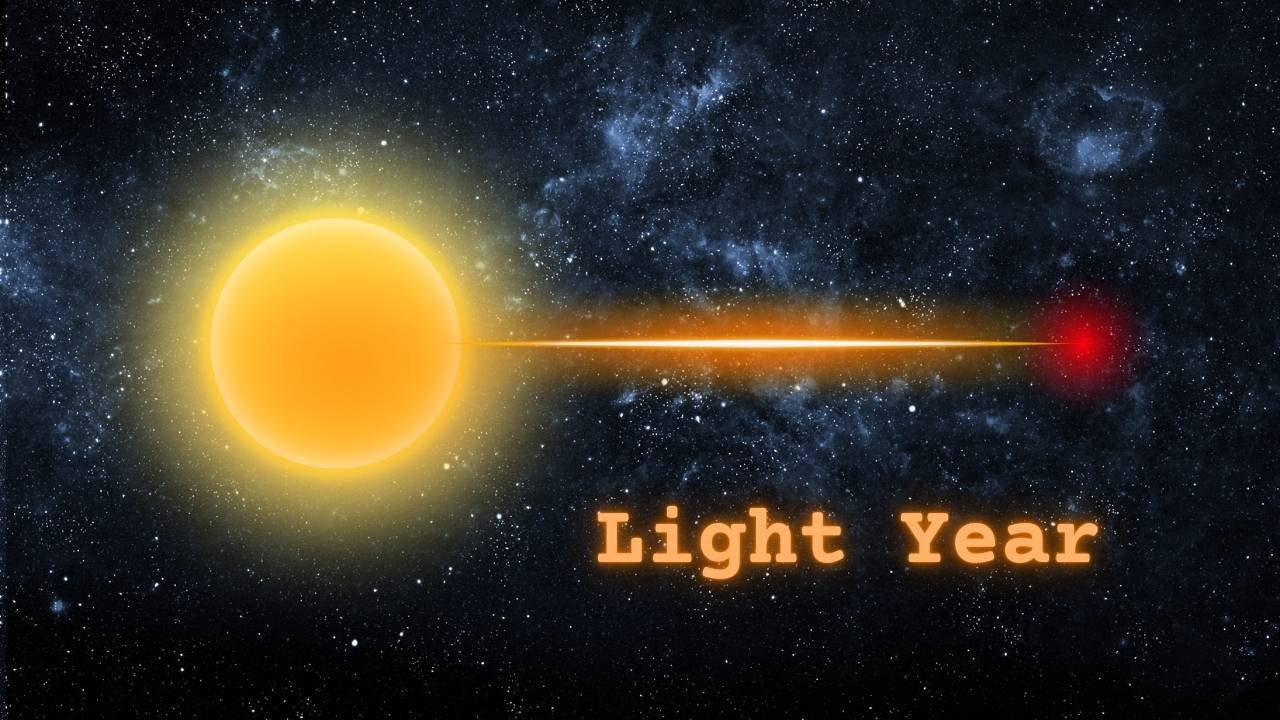
A light year is the distance light travels in one year. Light moves very fast, about 299,792 kilometers per second. If we could travel that fast, we would take one…
Explainer Physics
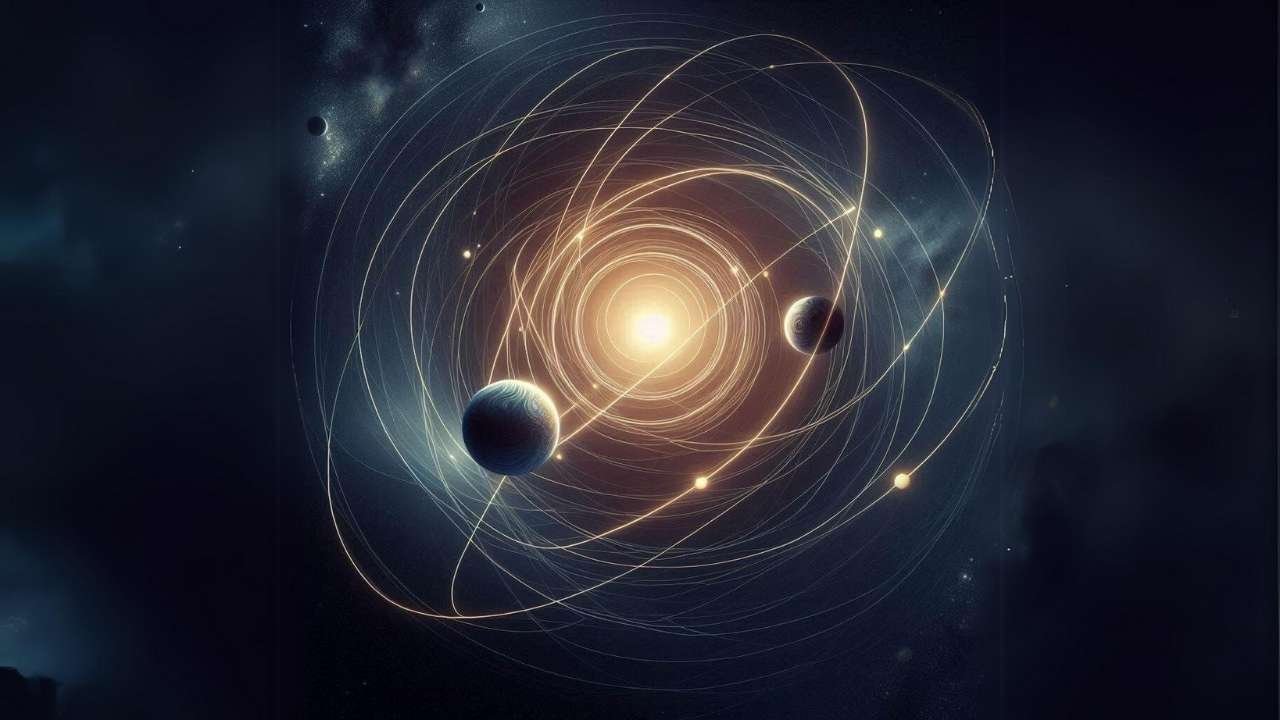
The essence of the 3-body problem is: how to predict and stabilize the orbits of 3 interacting bodies. The third object’s presence causes wild movements, potentially sending the interacting bodies…
Explainer Physics
Microscopic black holes, also referred to as quantum mechanical or mini black holes, are hypothetical small holes that have fascinated scientists and the public for decades. They are very tiny…
Explainer Physics
The idea of whether hot water freezes faster than cold water is known as the Mpemba effect. This doesn’t always happen and depends on different things like how much water…
Explainer Astronomy
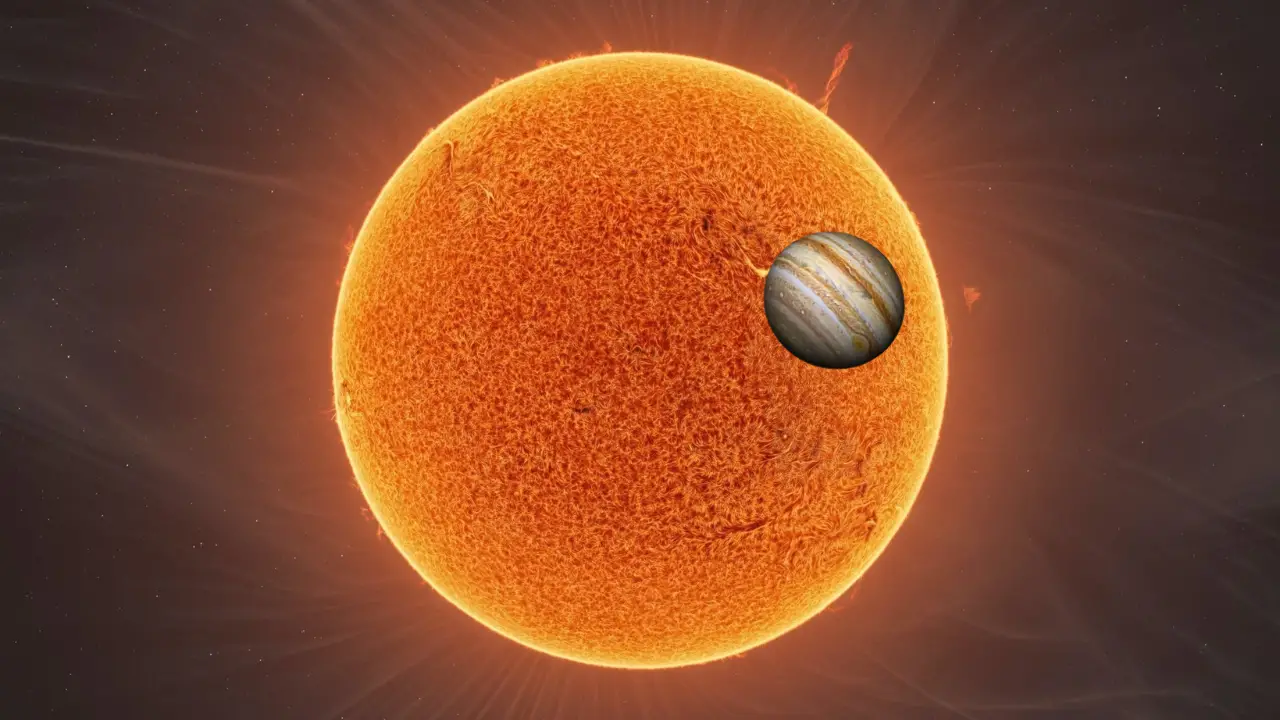
The Sun has roughly 1,000 times Jupiter’s volume. That is why the usual answer says about 1,000 Jupiters could fit inside the Sun. The number is a volume comparison, not…