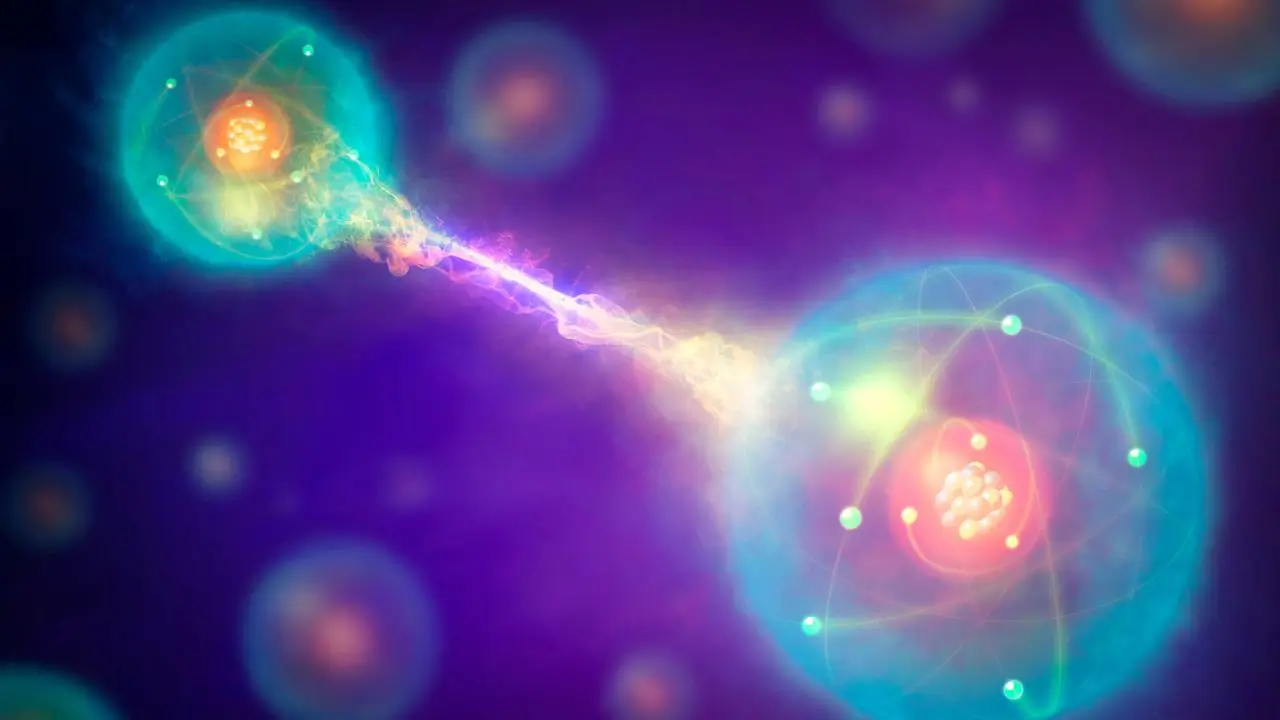
The ability of a quantum system to exist in multiple states simultaneously until it is measured is called quantum superposition. All wave functions possess this property. Superposition applies to any…
The physical similarities and shared genetic origins of identical twins have always engrossed scientists and the public. They are born from a single fertilized egg that splits into two embryos.…
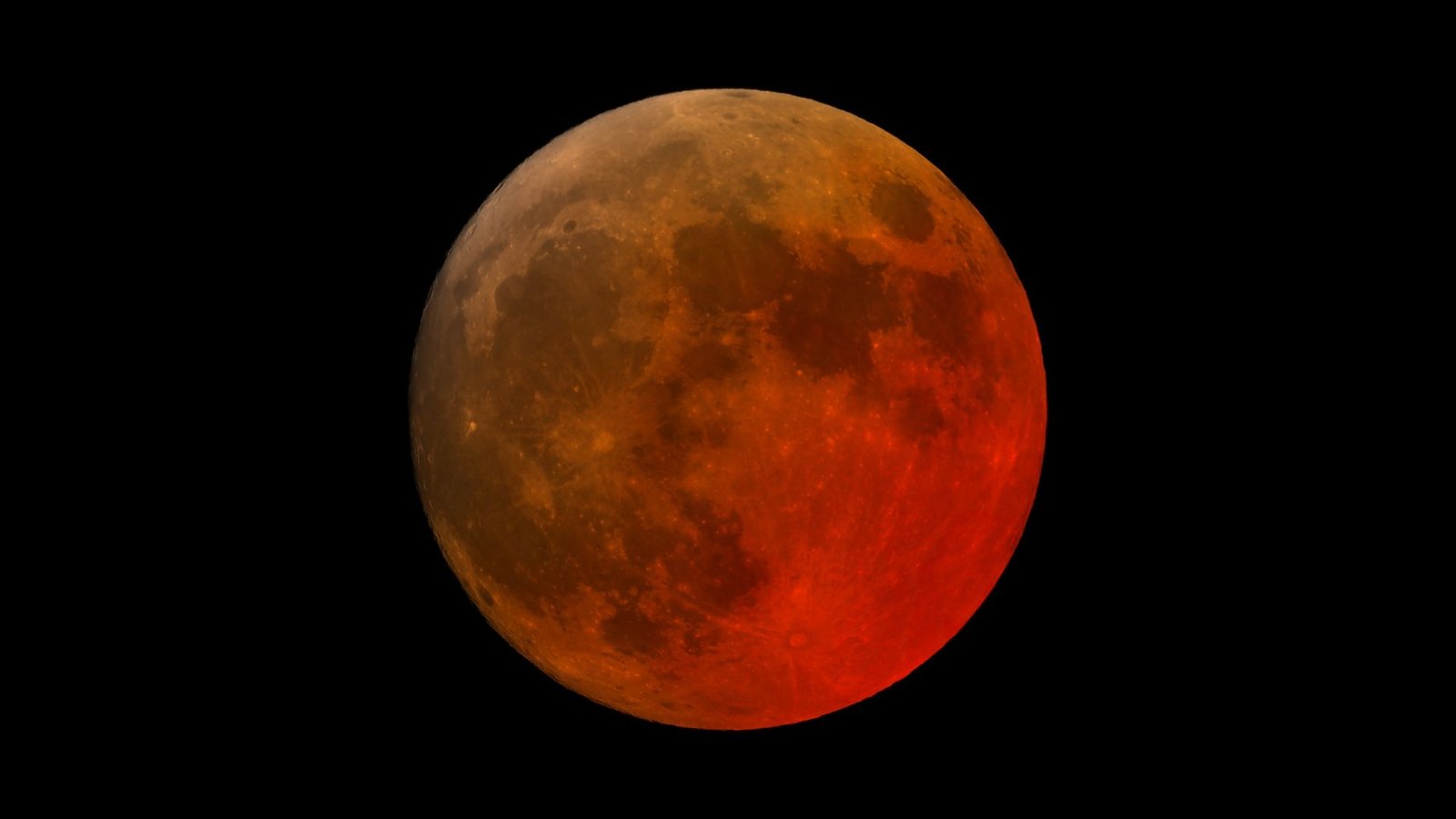
In early September, the night sky stages one of its most dramatic acts of the year: a total lunar eclipse—fondly dubbed the “Blood Moon.” The celestial stage will span Asia,…
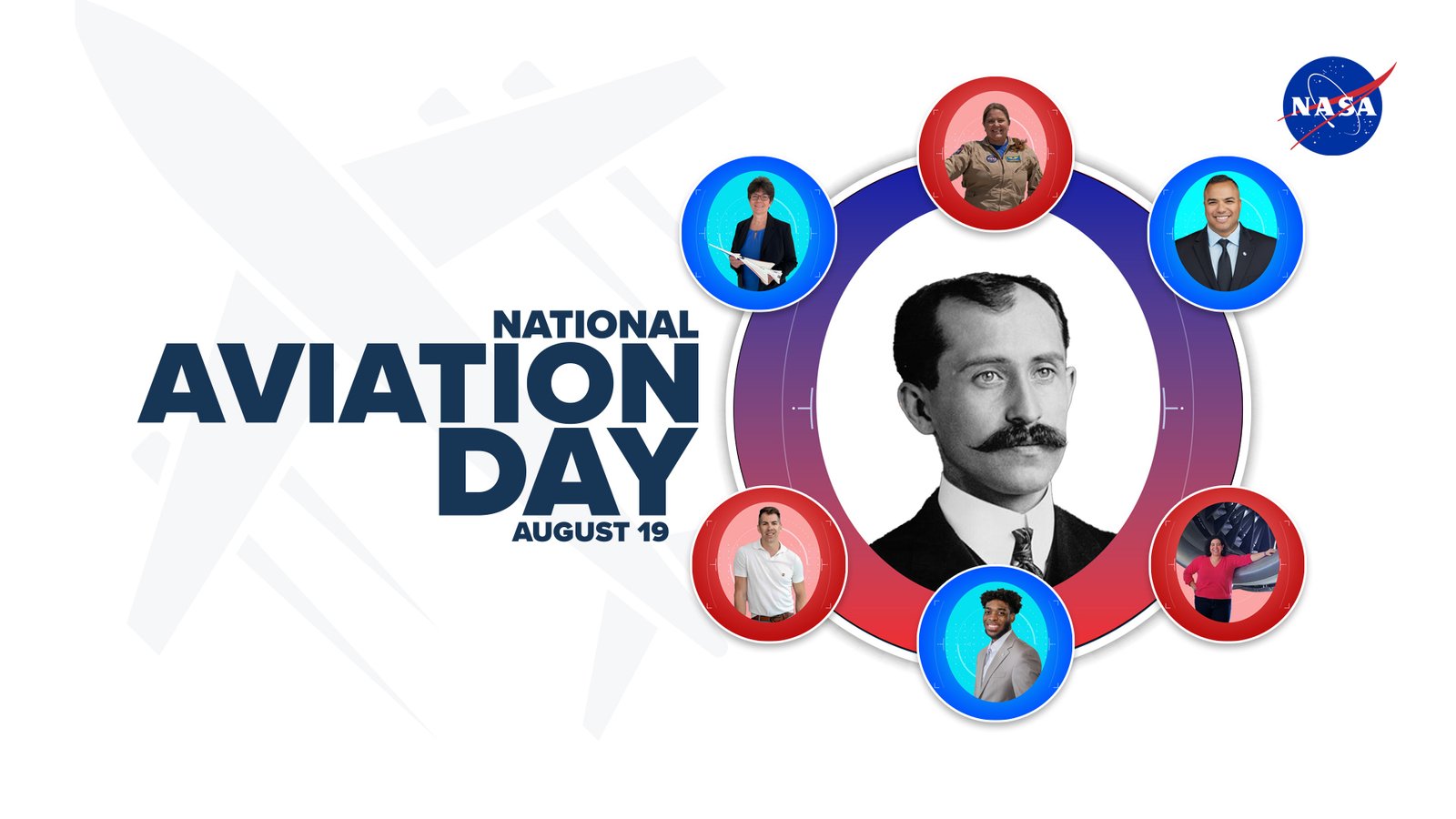
The Discovery / News Today, August 19, marks National Aviation Day, a celebration established by President Franklin Roosevelt in 1939 to honor aviation pioneer Orville Wright’s birthday. As the first…
According to Stanford Medicine research humans do not experience aging in a steady cycle of linear changes, instead we experience bursts of aging between ages 44-60. As reported by Aging…
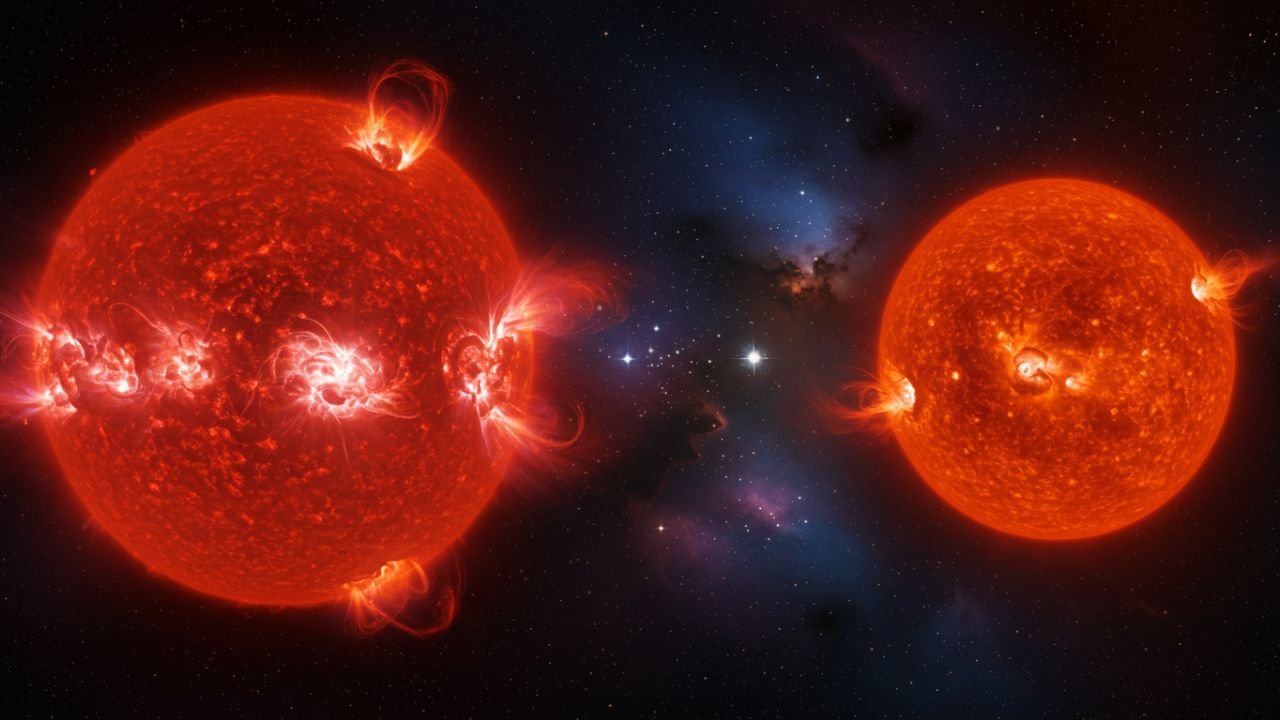
Stephenson 2-18 is often declared the larger star online, but the evidence does not support a confident winner. WOH G64 has been observed in much greater detail, while the viral…
Mesopotamia is known as the most ancient civilization in the world. However, to understand its historical significance, we need to understand what defines a civilization. Civilization is a complex society,…
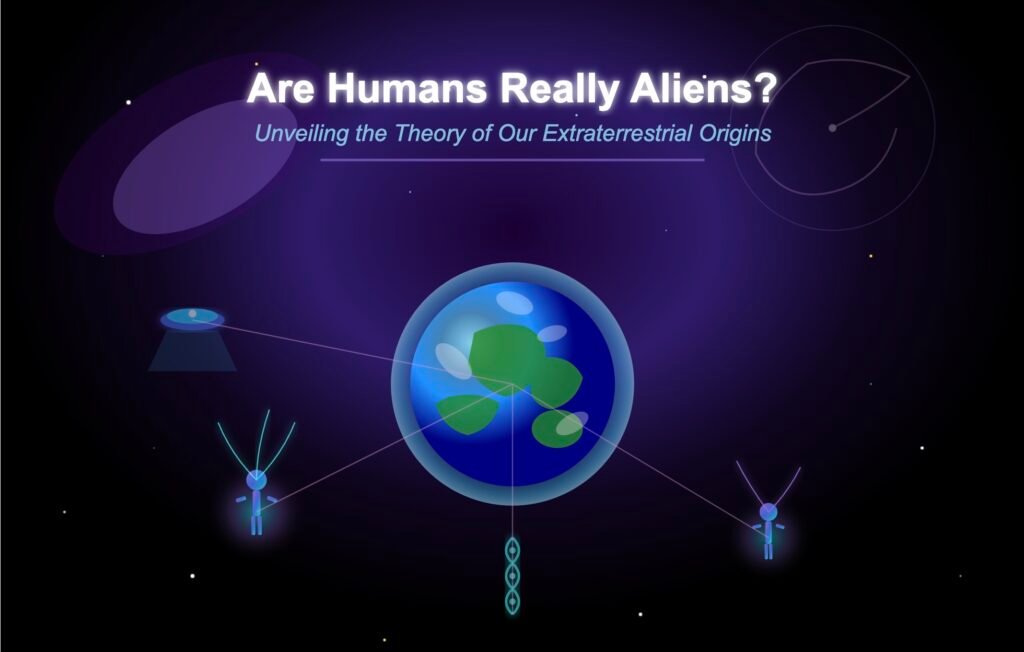
No. Humans are not aliens: fossils, comparative anatomy and DNA all show that our species evolved on Earth, in Africa, about 300,000 years ago. Our DNA differs from a chimpanzee’s…
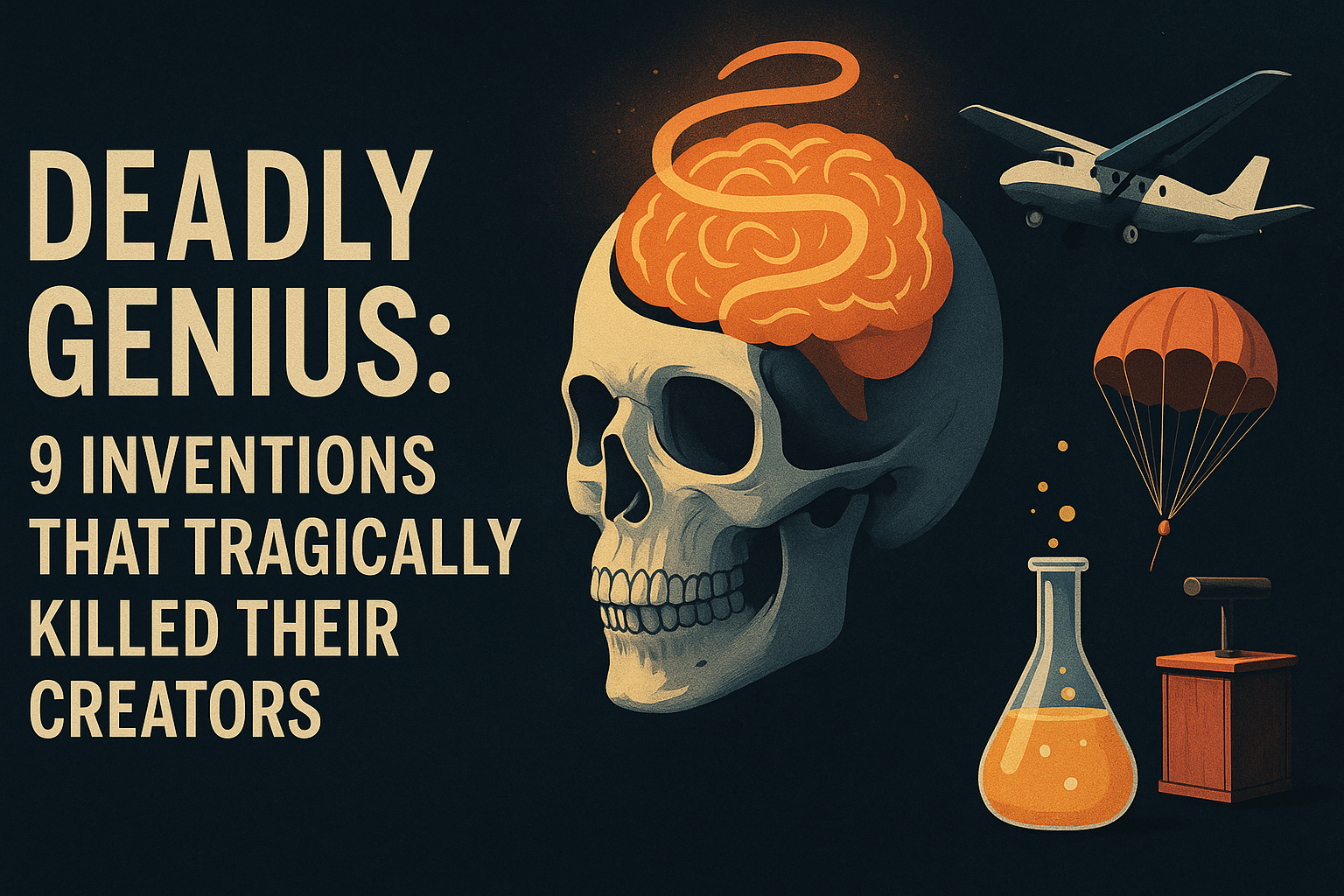
Human history is full of brilliant minds who dared to push the boundaries of science and engineering. But sometimes, that daring came at a terrible cost. In rare, tragic, and…